
Sustainable wellbeing and green living
Let's find ways to Flourish!
What's the deal with Fossil Fuel Divestment?
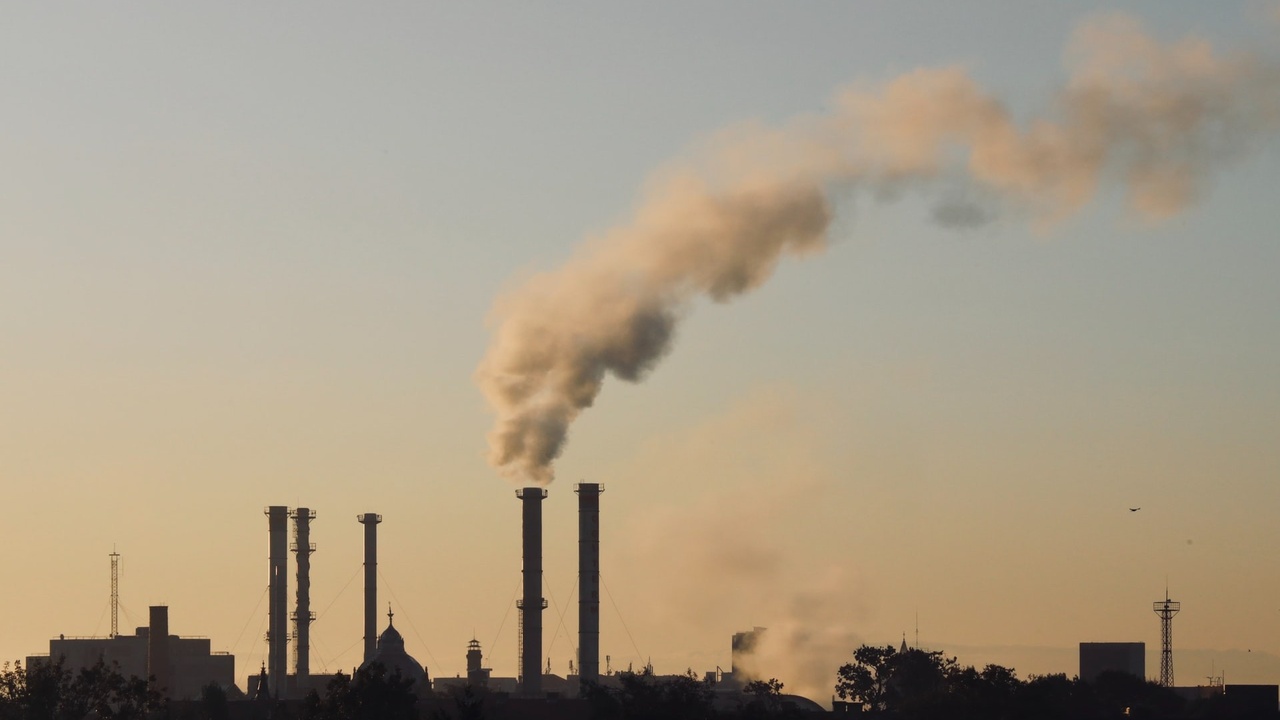
Climate change can be largely attributed to the combustion of fossil fuels, which results in the accumulation of carbon dioxide and other greenhouse gases in our atmosphere.
In this day and age, it is becoming harder to deny the existence of climate change. For those of us who have been concerned about environmental affairs for some time, witnessing a shift in temperatures and weather patterns has been anxiety-inducing, to say the least.
Just this past year, Canada experienced record-breaking heat levels in the summertime, Madrid experienced unprecedented levels of snow in January, and wildfires ravaged Greece, Turkey, and Italy in August. And these are just a few examples of the extreme weather events that are becoming more and more common around the world.
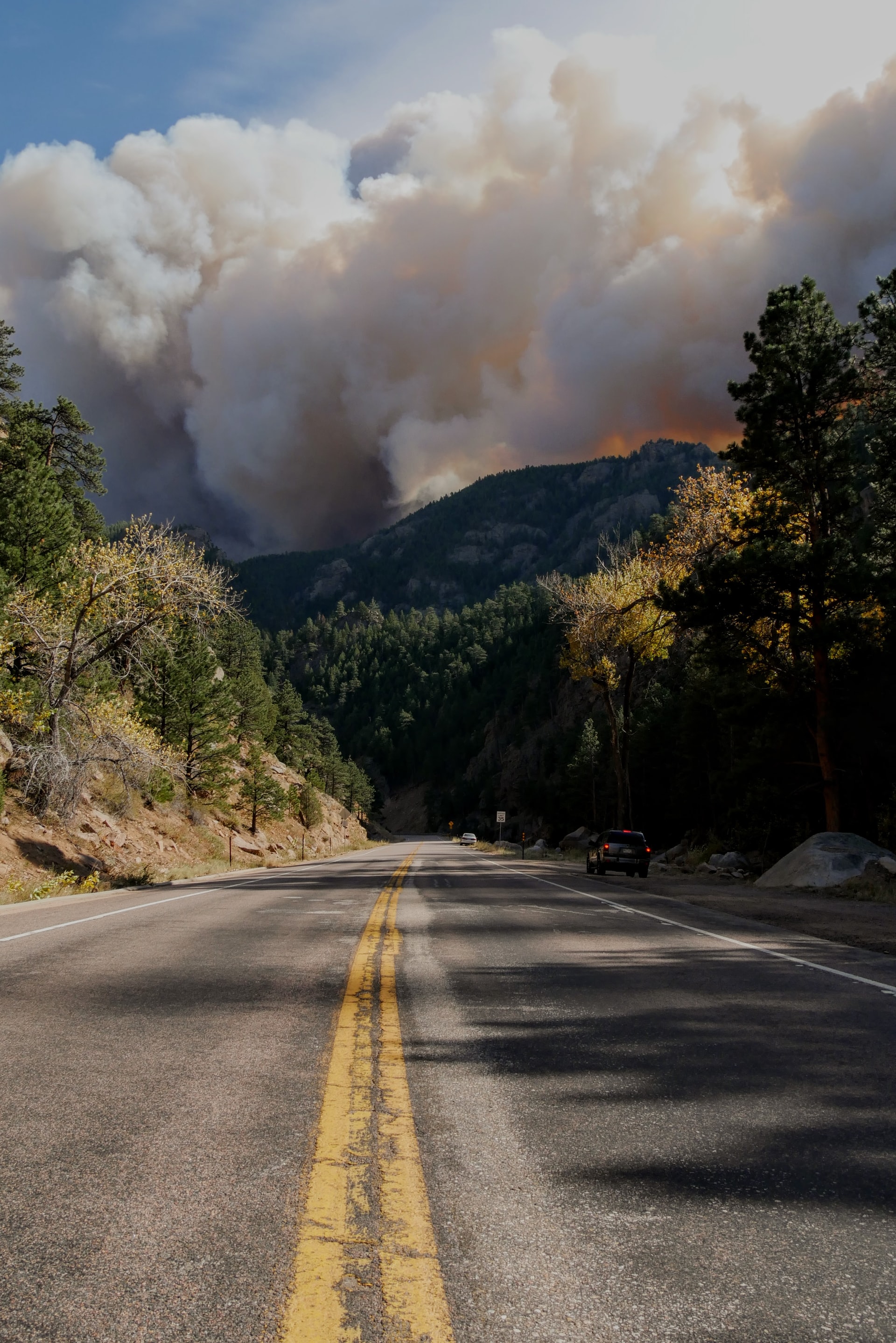
Clearly, action needs to be taken to mitigate the environmental damage that has already occurred. Fossil fuel divestment is a good place to start.
A fossil fuel budget
Back in 2012, Bill McKibben introduced three numbers tha...
Carrot Tops, Coffee Grounds, and Climate Solutions
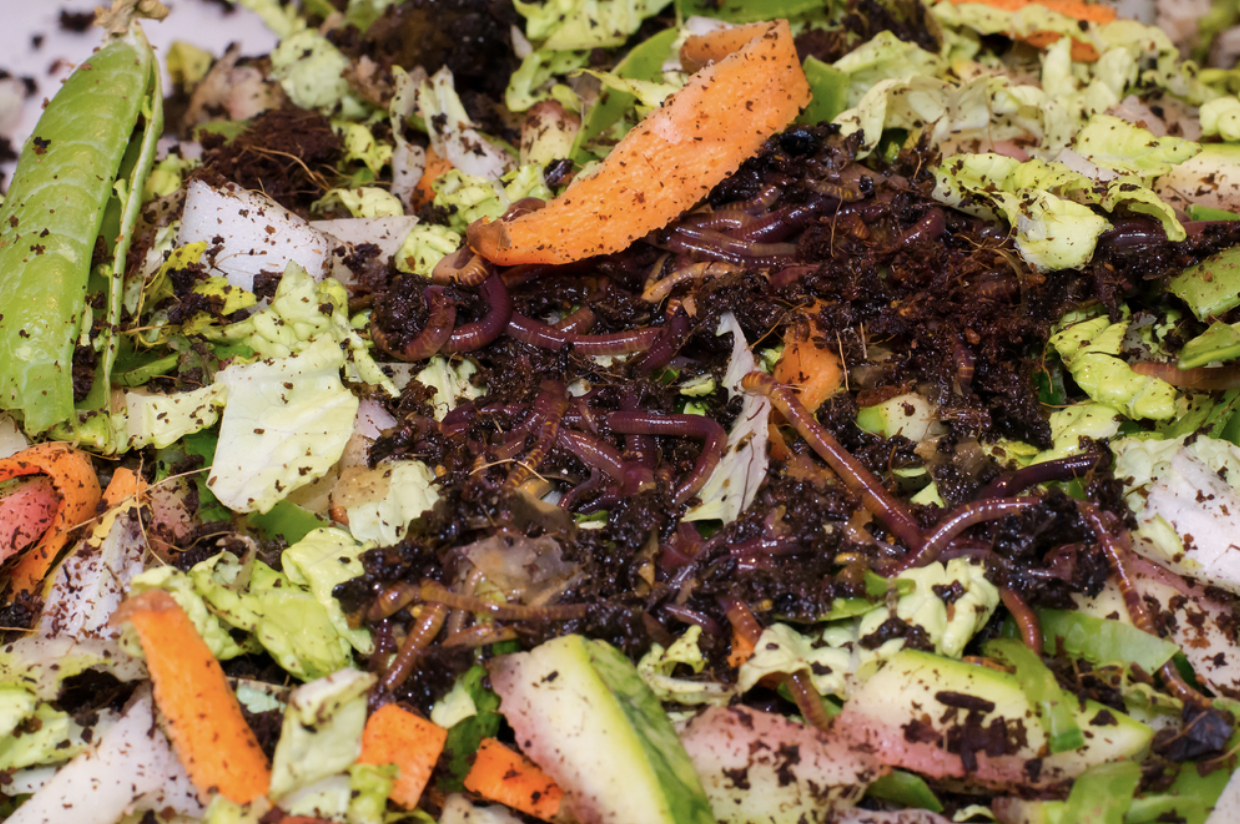
In our early years of living together, AJ gave me worms for Christmas.
Actual, wriggling, red composting worms.
Now, to be fair, I had expressed interest in vermicomposting. I care about soil. I care about nutrient cycling. I care about not sending perfectly good organic matter to landfill. But there is still something slightly surprising about opening a gift and realizing you now share your home with several hundred new roommates.
Nothing says long-term commitment like a box of red wigglers under the tree.
But really, those worms were never really about worms. They were about respect. Respect for food. Respect for soil. Respect for the living systems that make our meals possible in the first place. Respect for what I care about.
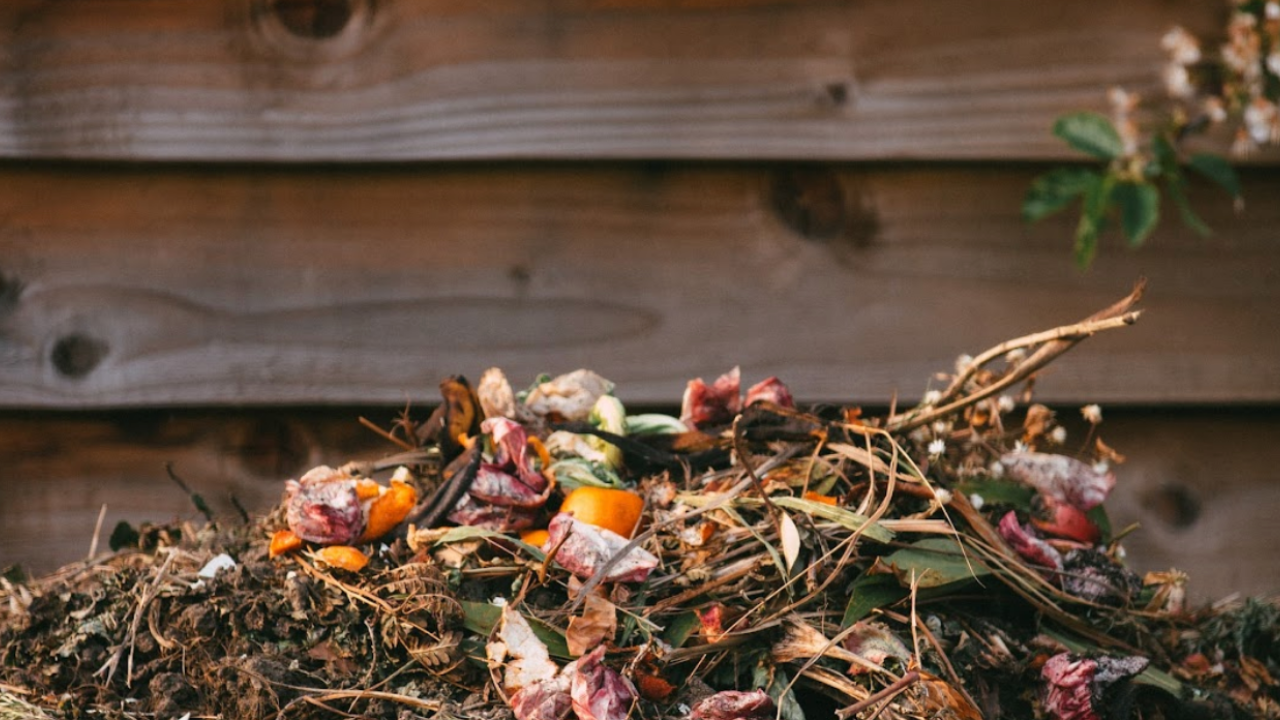
Instead of carrot tops and coffee grounds becoming methane in a landfill, they would become soil. Instead of waste, they would become life again.
Food waste, it turns out, is one of the most solvable climate problems we have. And it starts in very ordina...
300 weeks of Flourishing

300 Weeks of Flourishing
A thank-you, a milestone, and a gift for the planet
Three hundred.
That’s how many Flourishing Fridays have now made their way into the world. When I first began this weekly practice, I had no idea it would grow into a community, a rhythm, and a shared language for caring for ourselves and the planet at the same time.
This post is both a celebration and a thank-you — and then, as always, an invitation to act.
Gratitude, first and always

Nothing about Flourishing has been a solo endeavour.
To my husband AJ — thank you for walking alongside this work in all the ways that matter: through the long conversations, the behind-the-scenes support, the shared values, and the daily living-out of what it means to care for people and place.
To my business besties, friends, and family: thank you for the encouragement, the listening, the laughter, the thoughtful questions, and the steady belief that this work matters — even (and especially) when it’s slow, complex, o...
#EarthOptimism

If you’ve noticed that mainstream environmental news tends to be increasingly negative and concerning, you’re not alone. And to be fair, there are lots of environmental issues to be concerned about – so it’s natural that these issues, such as forest fires, floods, and increasing carbon dioxide levels in the atmosphere, are being reported on.
It is true that this type of environmental reporting can be effective. Especially for those who may be unaware of how serious the issue of climate change is. But for the rest of us who are aware of these issues and are taking steps to live more sustainably, being constantly bombarded with negative news can be exhausting, and even depressing.
In fact, it might even be increasing your eco-anxiety. Eco-anxiety is often defined as a chronic fear of environmental doom which stems out of a place of deep caring for the planet and its inhabitants. To learn more about eco-anxiety, check out episode 5 from my Live.Well.Green Podcast “Strategies for Combatt...
What are Riparian Zones and why are they so vital?
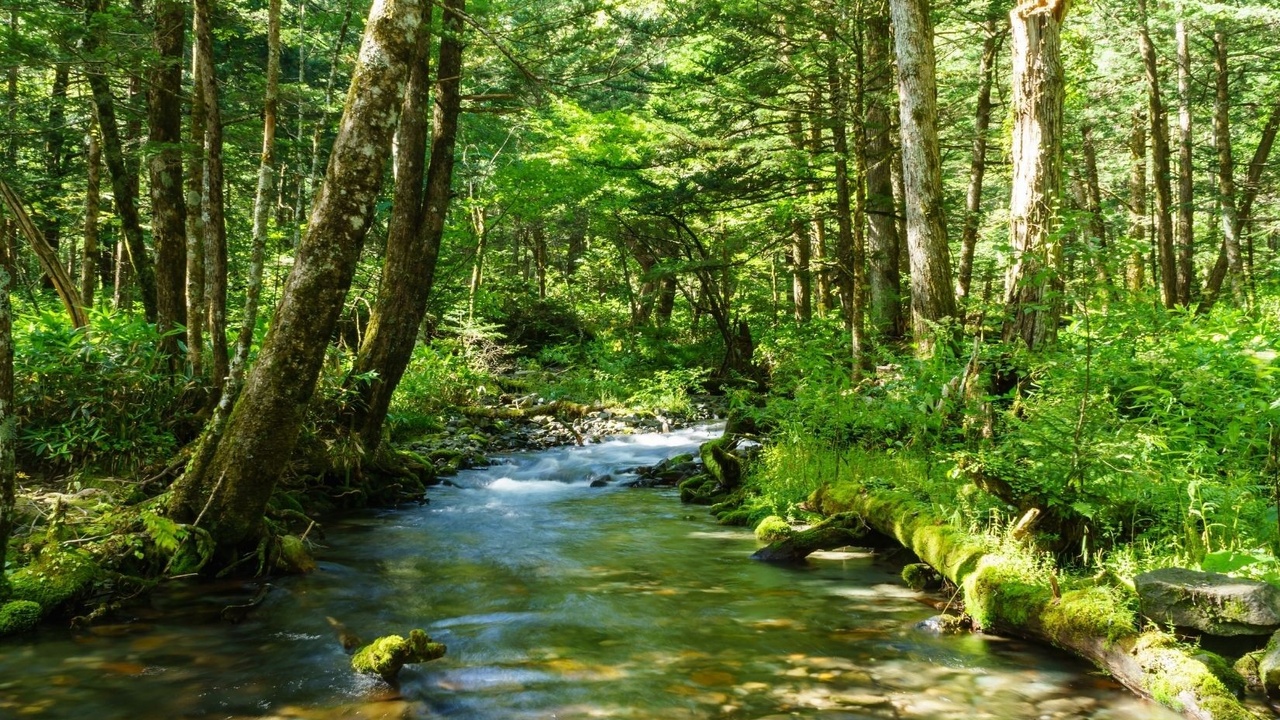
Spending time outdoors is great for our mental and physical wellbeing. Whether you are going for a stroll by the river or having a picnic in the park, there’s nothing quite like getting some fresh air and being able to appreciate the beauty of the outdoors!
Of course, it is also very beneficial to be able to understand how our favourite natural environments function ecologically. Being able to understand the role and importance of these ecosystems not only heightens our appreciation, but incentivises us to protect them as well.
There is one type of ecosystem in particular that is worth familiarizing yourself with: riparian zones. These areas are the green ribbons of trees, shrubs, and grasses that grow alongside riverbeds, streams, and wetlands.
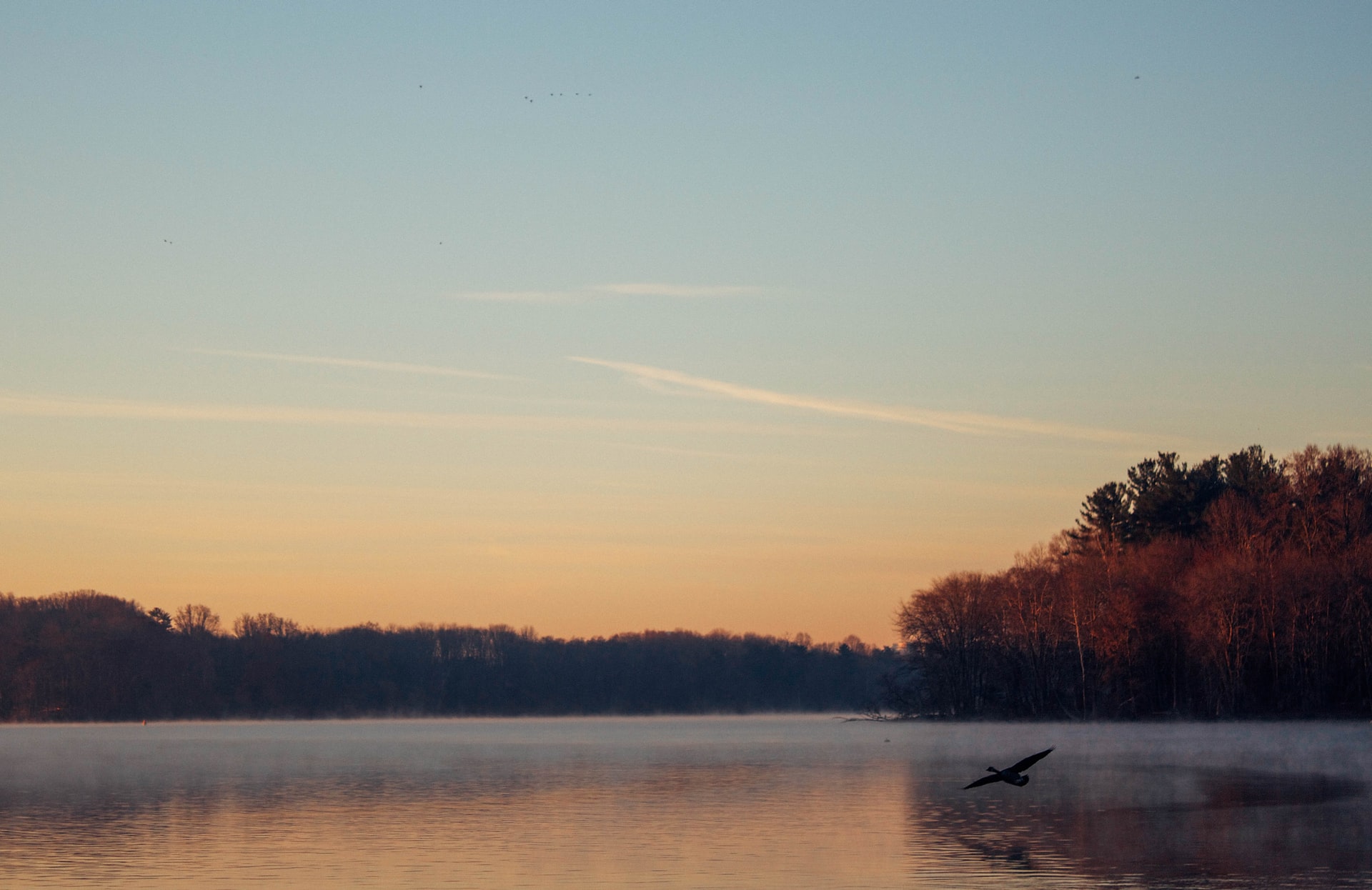
It is likely that you have spent time in a riparian zone. Perhaps you’ve walked along a riverside walking trail or simply admired their beauty from afar. But do you know about the many ways in which they positively impact the environment? ...
Cleaning your home shouldn't dirty our waterways

Do you care about protecting and preserving your lakes? If so, this blog post is for you! Did you know that there are many different products that can negatively impact the health of lakes near you? Actually, it's not only the products themselves that can be an issue, but also their packaging as well.
While it’s true that lakes can sometimes be out of sight, out of mind. When you’re not visiting your cabin, camping, ice fishing, or partaking in any other fun lakeside activities, the health of your favourite lake might not be on your mind. But that doesn’t mean that your actions don’t have negative consequences.
The products we use, especially cleaning products such as soaps, detergents, and shampoos, have the ability to enter our sewage systems when they are rinsed down the drain and become wastewater. Now, sewage plants are supposed to treat wastewater and make it safe for reuse when possible. However, it is sometimes possible that wastewater can flow directly into our lakes and wat...
Green Burials

Ok, I know, most of us don’t really want to think about death and the logistics of what happens when someone dies, however, the reality is that there are numerous environmental issues with the way we handle funerals and burial. And, there are plenty of ways that we can do better! It turns out there is a growing green burial movement to help us out.
Death is a fact of life that is dealt with in many different ways across different cultures and religions. In Western society, funerals often include flowers, expensive caskets, often embalming of the deceased, cremations, cemetery plots, and more. These funeral elements are chosen in order to pay respect to the deceased, but it is also important to consider whether these elements reflect the wishes and values of the deceased.
Not only do caskets, flowers, and other embellishments cost thousands of dollars, but they also have quite a significant negative impact on the environment. Traditional funerals aren’t green, but that doesn’t mean th...
What you need to know about consumer goods

We all have a vague understanding that consumer culture is linked to environmental degradation and climate change, but how do we get around this, especially when we live in the real world, with birthdays, and Christmas, social pressures to shop and often a lack of easy to access eco-friendly alternatives.
I like to do a little time traveling before purchasing anything.
Well, there are a few basics to consider, I like to do a little time traveling before purchasing anything. Instead of just thinking about price and value, think about where that good came from AND where it will end up when you are finished with it. That can put the "sale" item into a much more realistic light of its true cost.
But, what exactly are the issues associated with consumer goods?
Over-Consumption of Material Goods and Throw-Away Culture
Consumer goods are products that are found on store shelves and bought for consumption by the average consumer. Consumer goods can be anything from food, clothing, f...
Green Investing and Banking 101

Something we tend to forget about when it comes to green living is our money. The money sitting in our bank accounts or investments may not seem to be a direct cause of greenhouse gas emissions, but the financial institutions we are associated with, as well as our financial investments really can have a large impact on the environment as well as social issues. For better or worse!
While there is no shortage of ways to actively lead an environmentally friendly life - opting for active transportation wherever possible, shopping local, being a part of the sharing economy, composting, zero-waste grocery stores - the list goes on and on. But what about the impact of your money - are your investments contributing to the very issues that have you worried for the future?

Getting Started with Green Investing
So, where do we get started? There are two basic considerations when delving into the issue of green investing. First, we can avoid polluting sectors and industries and second, we can ...
How to build Climate Resilience

Climate change is already underway despite any efforts we may take to mitigate its impact or cease environmentally-destructive behaviours and activities.
This means that we should not only be reducing our environmental impact, but become resilient to the impacts of climate change as well. Countries, cities, communities, and individuals need to be able to cope with extreme weather events, sea-level rise, and other climate impacts.
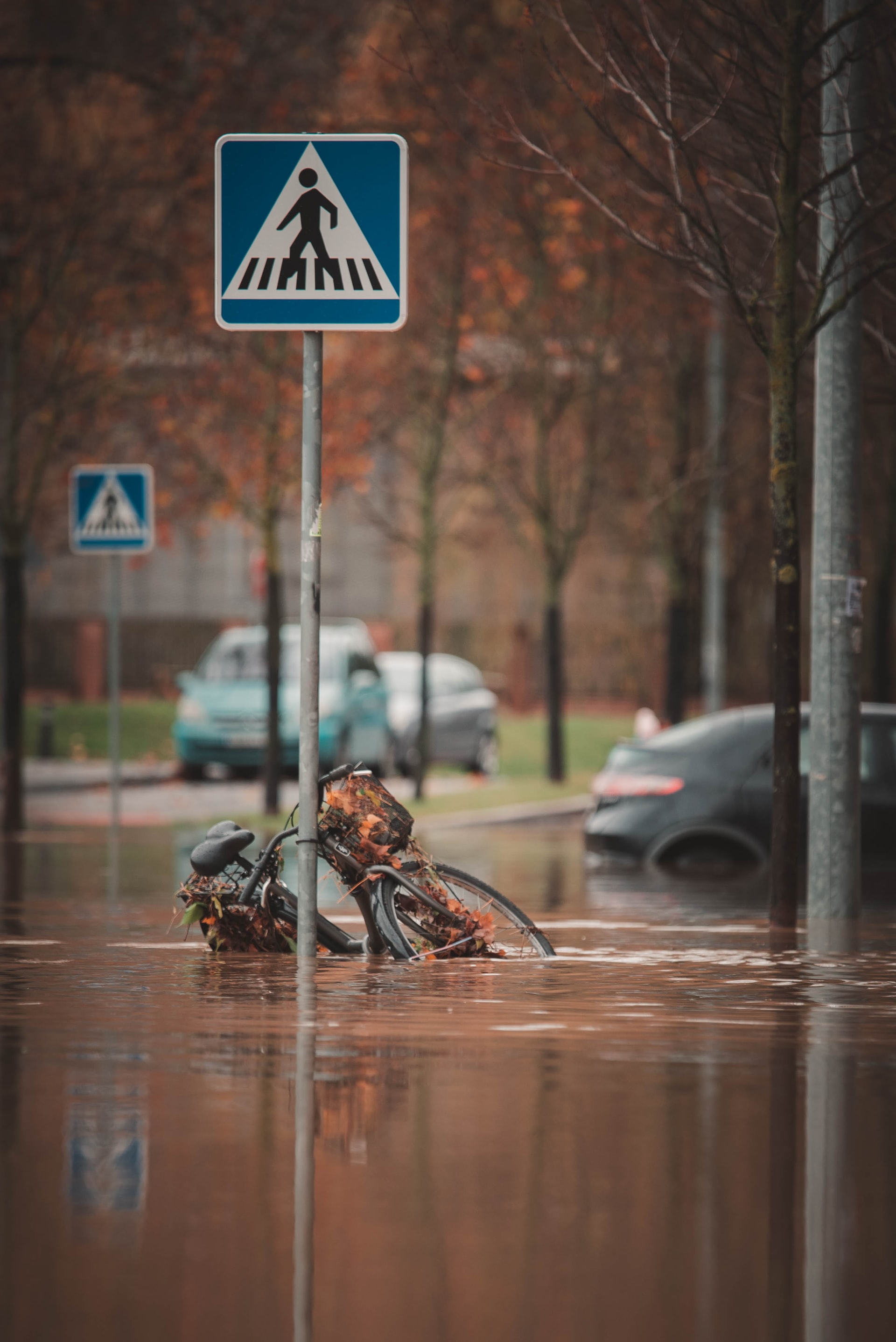
According to the Centre for Climate and Energy Solutions, climate resilience is “the ability to anticipate, prepare for, and respond to hazardous events, trends, or disturbances related to climate. Improving climate resilience involves assessing how climate change will create new, or alter current, climate-related risks, and taking steps to better cope with these risks.”
Resiliency really is key to building a safe and sustainable future.
Resilient cities and communities
Resiliency must be tackled at all levels. In the public realm, it is important for c...
