
Carrot Tops, Coffee Grounds, and Climate Solutions
In our early years of living together, AJ gave me worms for Christmas.
Actual, wriggling, red composting worms.
Now, to be fair, I had expressed interest in vermicomposting. I care about soil. I care about nutrient cycling. I care about not sending perfectly good organic matter to landfill. But there is still something slightly surprising about opening a gift and realizing you now share your home with several hundred new roommates.
Nothing says long-term commitment like a box of red wigglers under the tree.
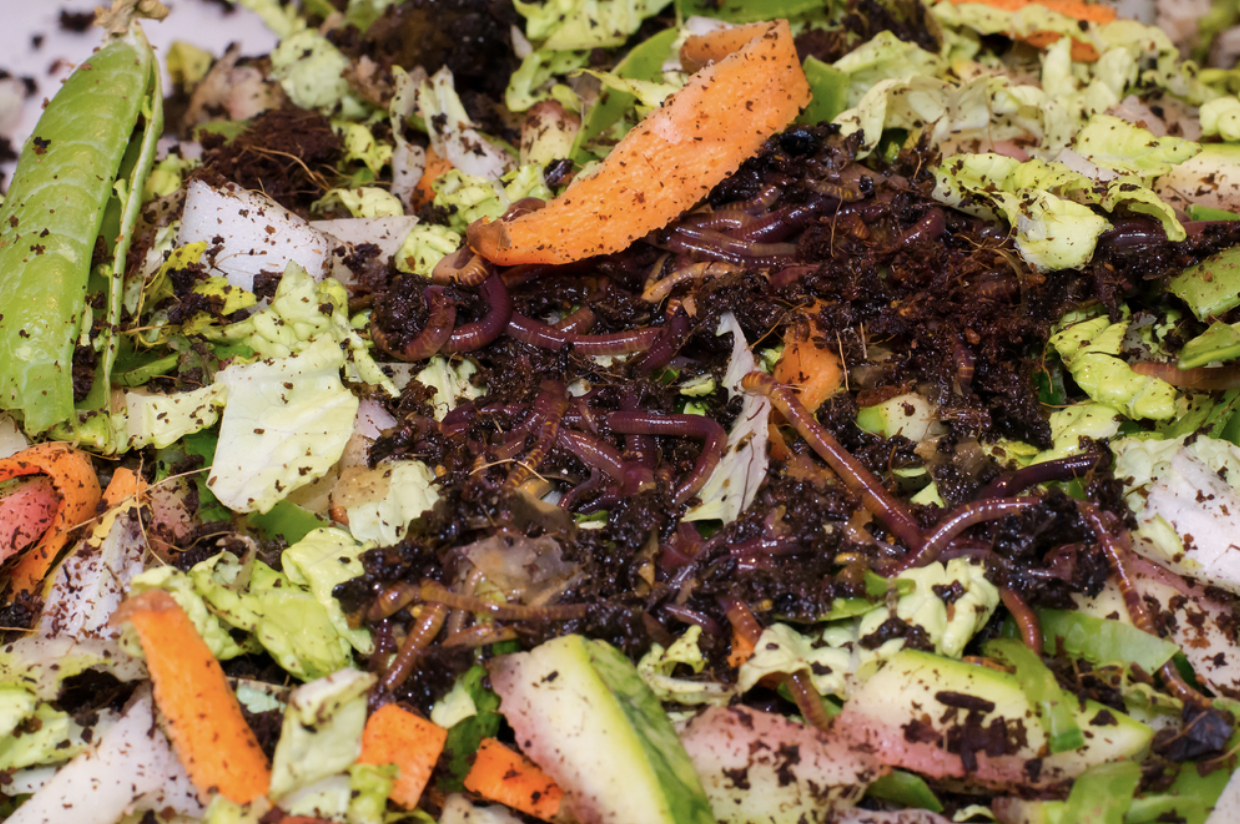
But really, those worms were never really about worms. They were about respect. Respect for food. Respect for soil. Respect for the living systems that make our meals possible in the first place. Respect for what I care about.
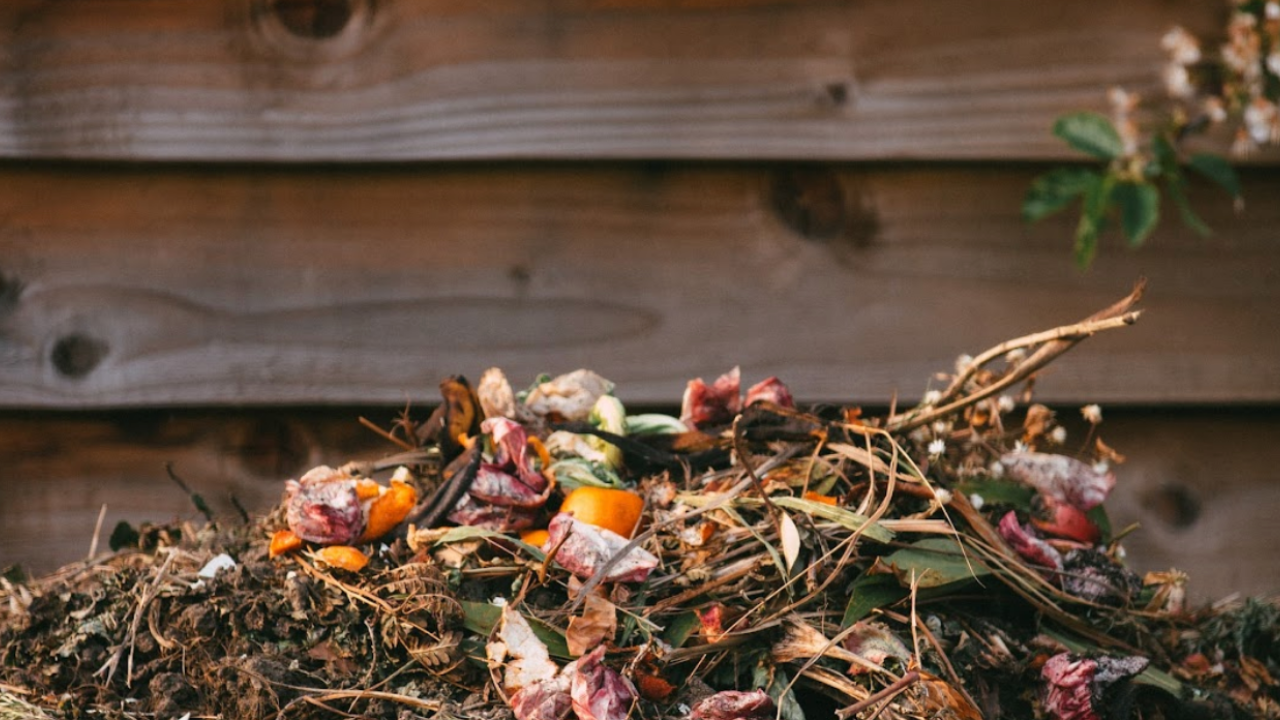
Instead of carrot tops and coffee grounds becoming methane in a landfill, they would become soil. Instead of waste, they would become life again.
Food waste, it turns out, is one of the most solvable climate problems we have. And it starts in very ordinary places — like our fridges, our shopping lists, and sometimes, under our kitchen sink.
Why Food Waste Matters (More Than We Think)
Globally, roughly one-third of the food produced never gets eaten. That’s not just a statistic — it’s water, energy, fertilizer, labour, transportation, and land use that produced something with the intention of nourishing someone… and it never fulfilled that purpose.
When food ends up in landfill, it decomposes without oxygen and produces methane — a greenhouse gas far more potent than carbon dioxide in the short term. So food waste isn’t just a moral issue in a world where many experience food insecurity. It’s also a climate issue.
And here’s the part that often surprises people: in countries like Canada, a significant portion of that waste happens at the household level. Not in factories. Not in grocery stores. In our own kitchens.
Which is both sobering and hopeful.
Sobering, because we’re a large part of the problem.
Hopeful, because that means we are also part of the solution.
Reducing food waste doesn’t require perfection, deprivation, or a radical lifestyle overhaul. It requires awareness, a few practical systems, and a willingness to see food as something precious — not fragile, not fussy — but valuable.
The good news? There are many ways to tackle this, and most of them are surprisingly doable.
Step 1: Prevention at Home
If composting is the backup plan, prevention is the first choice of action.
The most effective way to reduce food waste isn’t figuring out what to do with scraps — it’s preventing good food from becoming scraps in the first place.
And this is where most of the power lies: in ordinary, unglamorous kitchen habits.
Shop with Intention (But Not Rigidity)
We waste food for many reasons, but one of the biggest is optimism.
We shop for the version of ourselves who:
- cooks elaborate meals every night,
- always feels like eating healthy,
- and never has a late meeting, social invitation, or is just too tired to cook.
Reality, however, often involves leftovers, takeout, and a mysterious Tuesday where nothing goes as planned.
A few gentle shifts can make a big difference:
- Shop your fridge and freezer first. Before making a list, look at what you already have.
- Plan loosely. Choose 3–4 anchor meals for the week, not seven.
- Be realistic. If you know you’ll be out two evenings, don’t over-shop.
- Create a “use me first” zone. A visible shelf or container for items nearing their prime.
It’s not about discipline. It’s about designing your kitchen to work with your real life.
Rethink “Best Before”
“Best before” does not mean “unsafe after.”
It refers to quality, and presentation, NOT safety - with the exception of baby formula. Especially when we are talking about the “sell by” date. In fact, there are very few items that actually have expiration dates. In fact, the Canadian Food Inspection Agency advises that it is fine to buy foods after the best before date.
Surprising right? Yogurt does not self-destruct at midnight. Carrots do not read calendars.
Use your senses:
- Does it smell fine?
- Does it look fine?
- Does it taste fine?
Often, food is still perfectly good well beyond the printed date. Learning to trust your judgment again is a small act of food literacy — and climate action.
Love Your Leftovers
Leftovers are not culinary failure. They are efficiency.
In fact, some of the best meals in our house have been what I affectionately call “compost prevention cuisine.” A stir fry built from odds and ends. A soup made from vegetables that were one day away from becoming worm food. A grain bowl assembled from whatever was lingering in the fridge.
A few helpful practices:
- Designate one night a week as Leftover Night.
- Freeze portions intentionally before they become questionable.
- Transform yesterday’s meal into something new (roast vegetables become frittata; rice becomes fried rice; beans become soup).
When we normalize eating what we already have, food waste drops dramatically — and grocery bills tend to follow.
The beautiful thing about prevention is this: it saves money, reduces emissions, respects resources, and doesn’t require anyone to be perfect. Just a little more attention. A little more design. A little more appreciation.
And if something still slips through?
Well… that’s what worms are for.
Step 2: Composting (Enter the Worms)
Even with the best intentions, some food scraps are inevitable.
Peels. Coffee grounds. Onion skins. The heel of the bread that no one quite commits to. The parsley that tried its best.
This is where composting shifts from “nice idea” to powerful solution.
Because composting isn’t just about waste diversion — it’s about nutrient cycling. It’s about returning organic matter to soil instead of sending it to landfill, where it decomposes without oxygen and produces methane.
And yes, this is where AJ’s Christmas gift really shines.
Backyard Composting
If you have outdoor space, a backyard compost system is one of the simplest and most effective tools available.
Food scraps + yard waste + oxygen = compost.
Compost = richer soil.
Richer soil = healthier plants.
Healthier plants = food.
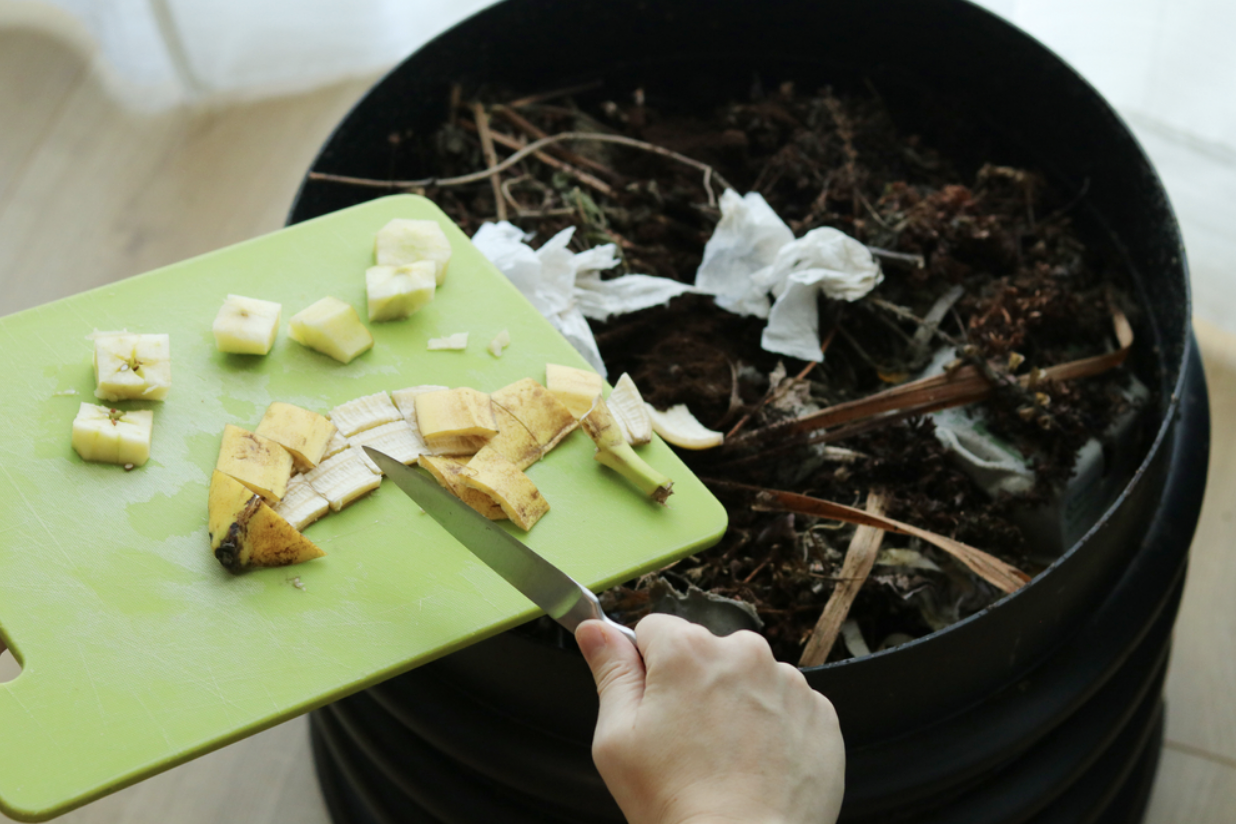
It’s not complicated. It’s biology doing what biology has always done.
A few keys:
- Keep a balance of “greens” (food scraps) and “browns” (leaves, paper, dry material).
- Turn it occasionally for airflow.
- Be patient.
Composting slows you down just enough to notice the miracle: waste becoming life again.
Vermicomposting (Small Space, Big Impact)
If you live in an apartment or prefer something more compact, vermicomposting — composting with worms — is surprisingly elegant.
Red wigglers consume food scraps and produce castings (their version of compost) that are extraordinarily rich in nutrients. The system is tidy, contained, and remarkably efficient.
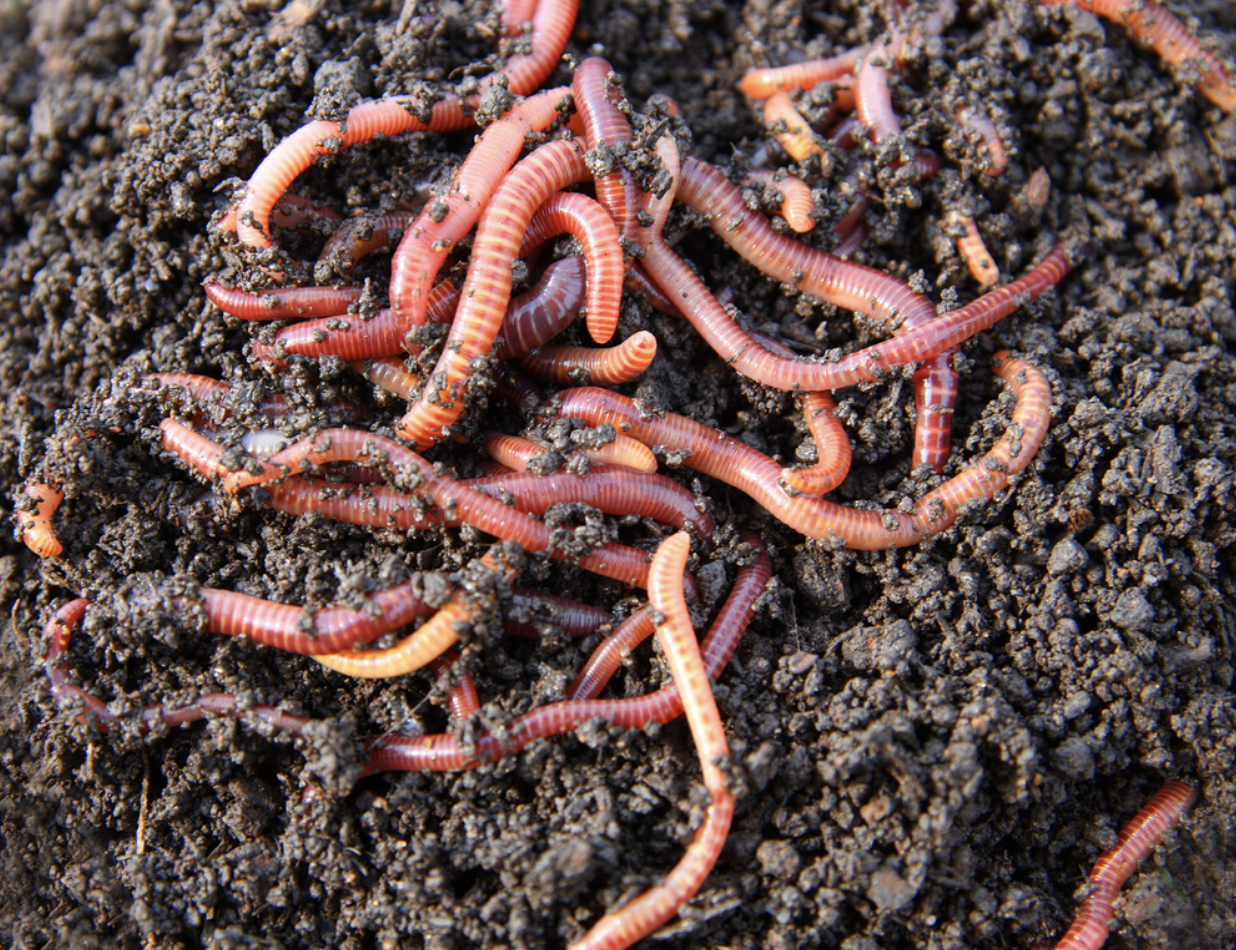
And here’s the deeper lesson the worms quietly teach:
Nothing in nature is wasted.
Everything becomes input for something else.
What we call “waste” is often simply a resource in the wrong place.
Municipal Composting & Advocacy
If your municipality offers green bin collection, use it. Properly separated organic waste keeps huge volumes of food out of landfill.
If your municipality doesn’t offer it yet? That’s a systems opportunity.
Food waste reduction is not only a personal responsibility — it’s infrastructure. Policy. Design. Community planning.
We need composting systems that make it easy to do the right thing.
Composting is not about absolving ourselves of overconsumption. Prevention still comes first. But composting ensures that when scraps are unavoidable, they become soil instead of methane.
And honestly?
There is something deeply satisfying about knowing your carrot tops are quietly working toward next year’s tomatoes.
Step 3: Storage & Simple Systems (Design Beats Discipline)
If prevention is the biggest lever, systems are what make it sustainable.
Because here’s the truth: most food waste doesn’t happen because we’re careless. It happens because we forget what we have.
Out of sight really does become out of mind.
The good news? A few small design tweaks can dramatically reduce what ends up in the compost bin.
Make Food Visible
Opaque containers are the enemy of good intentions.
Switching to clear containers — or at least labelling what’s inside — makes a surprising difference. When you can see the leftover soup, you’re far more likely to eat the leftover soup.
A simple habit:
- Store prepared foods at eye level.
- Move older items to the front.
- Keep new groceries behind them.
It’s called FIFO: First In, First Out.
It sounds technical. It’s actually just common sense with a system.
Create a “Use First” Bin
The Simple trick to actually use what you have.
Designate one small container or shelf in your fridge as the “Use First” zone. Slightly soft peppers? Half a lemon? Yogurt approaching its best-before date?
Into the bin they go. Then, when you’re deciding what to cook, start there.
Embrace the Freezer
The freezer is not a graveyard. It’s a pause button.
Bread? Freeze it.
Leftover soup? Freeze it.
Overripe bananas? Definitely freeze them.
A few practical tips:
- Label and date items.
- Freeze in portions you’ll realistically use.
- Then schedule a “freezer take-out night” every once in a while - I seriously love these. Home cooked without the cooking.
Freezing buys time — and time prevents waste.
Portion Honestly
Adjusting portions to your real household size can significantly reduce leftovers that feel repetitive or unwanted. And if you do intentionally cook extra, freeze it right away before it becomes a burden.
Step 4: Cooking Differently (and Planning with Joy)
I will say this openly: I love having meals planned each week.
No, I don’t “love” the task itself, even if I do have an affection for old cookbooks and a few food blogs. But I do love it when it comes to the end of a busy day, and I know what;s on the menu.
Meal planning is one of the most powerful food waste solutions we have. It shifts us from reactive to intentional. It turns dinner from a daily emergency into something already partly solved.
And importantly, it doesn’t have to mean planning to cook every night, or to not allow some flexibility in the system. Just know the plan and adjust as needed.
This creates enough direction to shop intentionally, but enough flexibility to adapt when life does what life does.
Meal planning isn’t rigidity. It’s resource respect.
Cook Once, Eat Twice (On Purpose)
One of the simplest food waste strategies is cooking strategically.
- Roast vegetables once → use in bowls, wraps, and frittata.
- Cook a pot of beans → soup one night, tacos the next.
- Make extra rice → fried rice or grain salad later in the week.
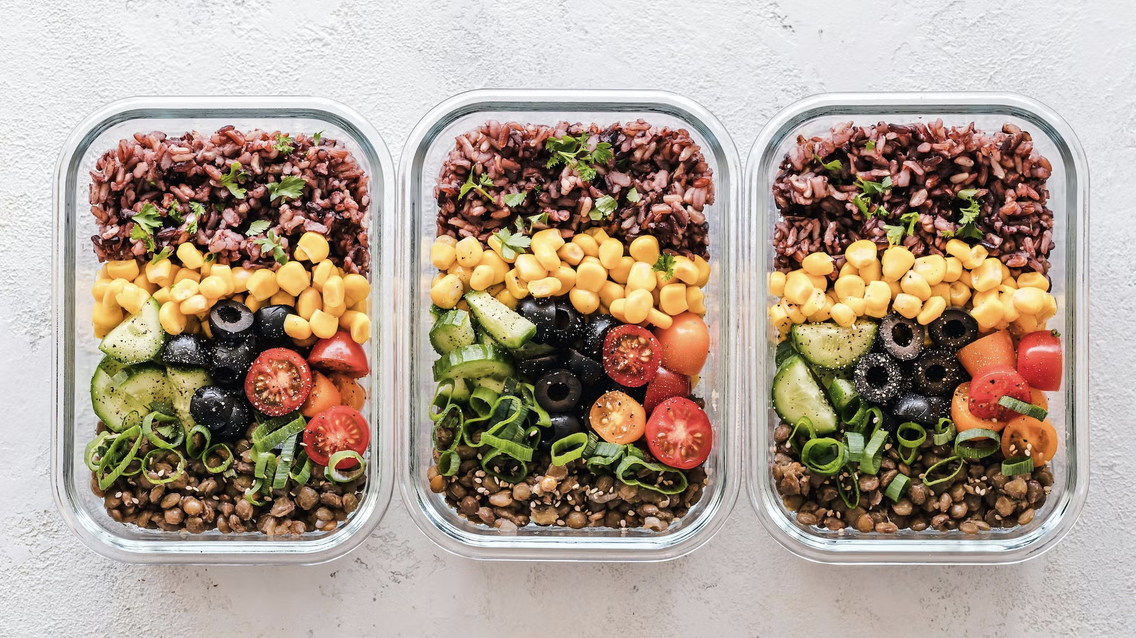
When leftovers are part of the plan from the beginning, they stop feeling like repetition and start feeling like efficiency. In our household dinner is planned in 4 portions, 2 for dinner and 2 for the following lunch. It makes life simple, and lunches delicious and inexpensive.
Redefine “Leftover”
Leftover is just a word.
Try calling it:
- Planned abundance.
- Prep for tomorrow.
- Compost prevention cuisine.
Some of our best meals have been assembled from the “use first” bin and a bit of imagination. A soup that shouldn’t have worked but did. A stir fry that quietly rescued three vegetables and a handful of herbs.
When we approach cooking as adaptive rather than fixed, waste shrinks naturally.
Meal planning and flexible cooking are deeply hopeful practices.
They say:
I see the resources in front of me.
I intend to honour them.
I trust myself to make something good with what I have.
And that mindset alone changes everything.
Step 5: Community & Policy Solutions (Because It’s Not Just About Your Fridge)
While much of food waste happens at home, it doesn’t mean the responsibility rests only there.
Food waste is also a design issue. An infrastructure issue. A policy issue. A culture issue.
If we want real, lasting change, we need both individual action and better systems.
Support Food Rescue & Redistribution
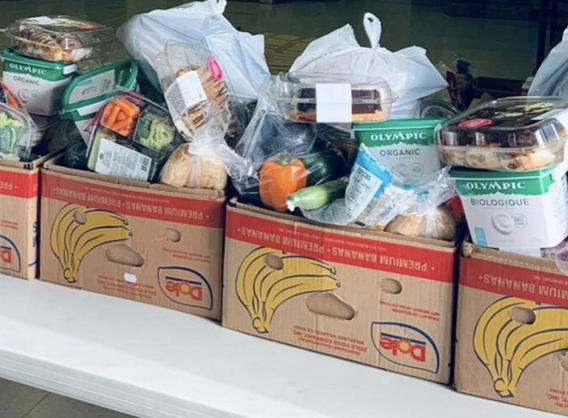
Across Canada and beyond, there are organizations rescuing surplus food from grocery stores, restaurants, and farms — redirecting it to food banks, shelters, and community programs.
These initiatives:
- Reduce methane emissions.
- Support food security.
- Honour the labour behind the food.
Supporting, donating to, or volunteering with these organizations multiplies the impact of household-level action.
Community Fridges & Mutual Aid
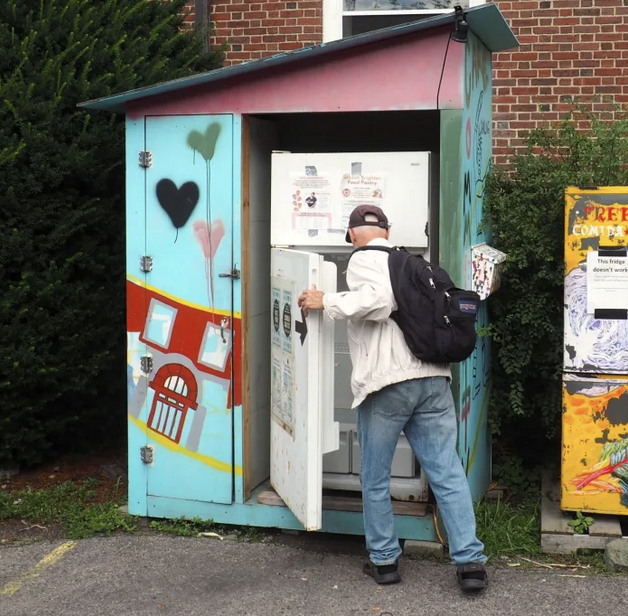
Community fridges are a beautifully simple idea:
Take what you need. Leave what you can.
They normalize redistribution and reduce stigma around food insecurity. They also help ensure surplus food feeds people, not landfills.
Food waste solutions, at their best, are deeply relational.
Date Labelling Reform
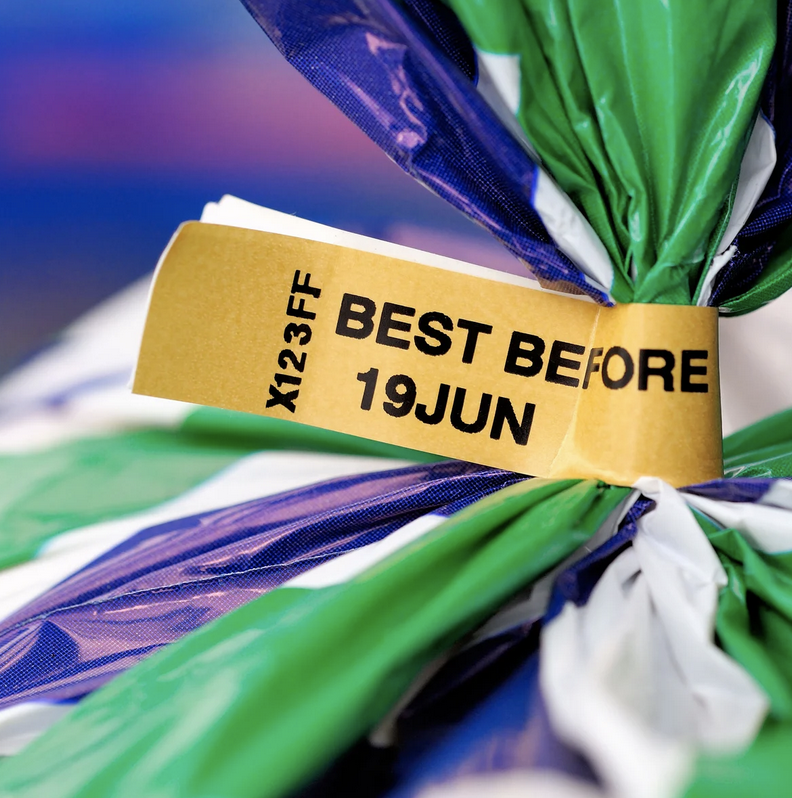
One of the major drivers of household food waste is confusion around labelling.
Clearer, standardized date labelling policies can reduce unnecessary disposal of perfectly safe food. This is a small regulatory shift with enormous ripple effects.
Sometimes climate solutions are less about sacrifice and more about clarity.
Municipal Compost Infrastructure
Composting is powerful — but it’s most effective when it’s easy.
Municipal green bin programs dramatically reduce organic waste going to landfill. Advocating for compost infrastructure in cities and towns is a meaningful climate action that supports everyone.
It removes barriers. It normalizes participation. It shifts the default.
Food Literacy in Schools
Teaching children how to cook, store food properly, and understand where food comes from changes long-term outcomes.
Food literacy builds respect. Respect reduces waste.
And when young people understand nutrient cycles — from soil to plate and back to soil — the worms start to make perfect sense.
Food waste reduction isn’t about heroics. It’s about alignment.
Alignment between:
- Household habits
- Community support
- Infrastructure
- Policy
When these layers work together, waste drops naturally.
And here’s the hopeful part:
This is one of the few climate issues where almost every level of society benefits from the solution. Reduced waste saves money. It improves soil. It lowers emissions. It strengthens community.
That’s a rare alignment — and one worth leaning into.
Food is valuable
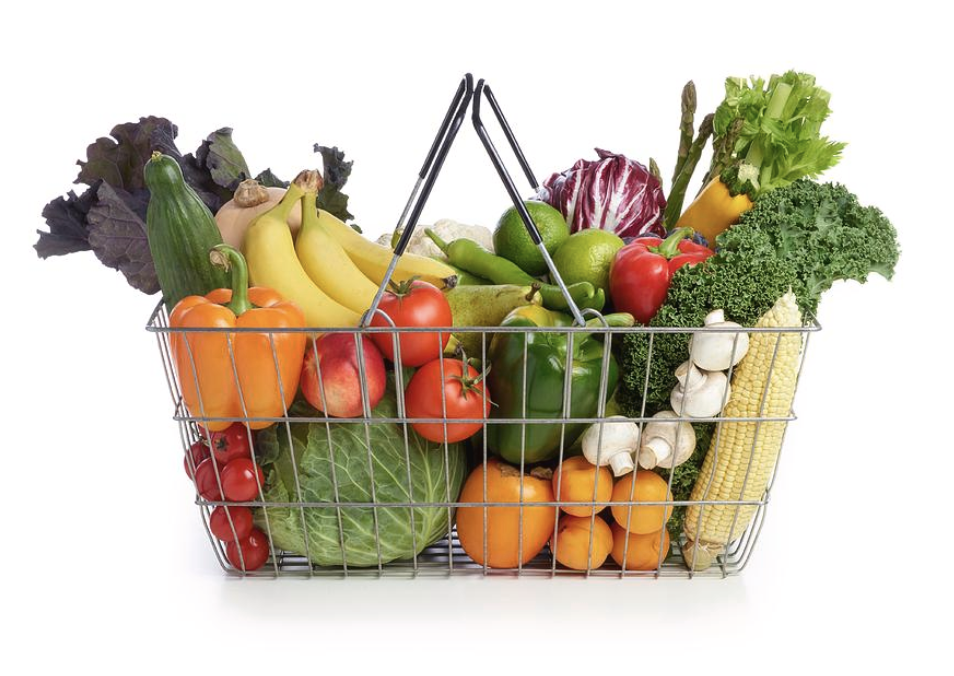
The worms under our sink were a reminder that food isn’t disposable. It’s the product of soil, sun, water, labour, and care.
Food waste is not inevitable. It’s designed. And what’s designed can be redesigned.
Start small.
Plan a little.
Freeze something today you might have tossed tomorrow.
Cook with what you already have.
And if you ever receive worms for Christmas?
You’ll know you’re in very good company.
Some Resources I think you'll like:
The truth about expired food: how best-before dates create a waste mountain
Stay connected with news and updates!
Join my mailing list to receive the latest news and updates. Your information will not be shared.
