
Sustainable wellbeing and green living
Let's find ways to Flourish!
The Ups and Downs of the Sharing Economy
It’s funny, yes, we want to be independent as teens and young adults. That is what we strive for, and that is what older adults want to retain, right? And there certainly is value in independence, but are we forgetting that there is value in doing things together? We have evolved to form social groups for a reason...because collaboration and connection make our lives better and easier!
When we consider the aspects of independence that relate to owning things - like our space, but more importantly stuff, there are aspects of this trend that are deeply unsustainable. As we are collectively seeking to lower our footprint on the earth by living lighter, sharing material goods can be a great part of the solution!
Just think about all the unused power tools that sit in our garages and all the books we’ve purchased but probably aren’t going to read again. When you think about it, it really doesn’t make sense for every individual household within a community to own the same items, especially...
Toy Libraries are a Step Towards Sustainable Parenting
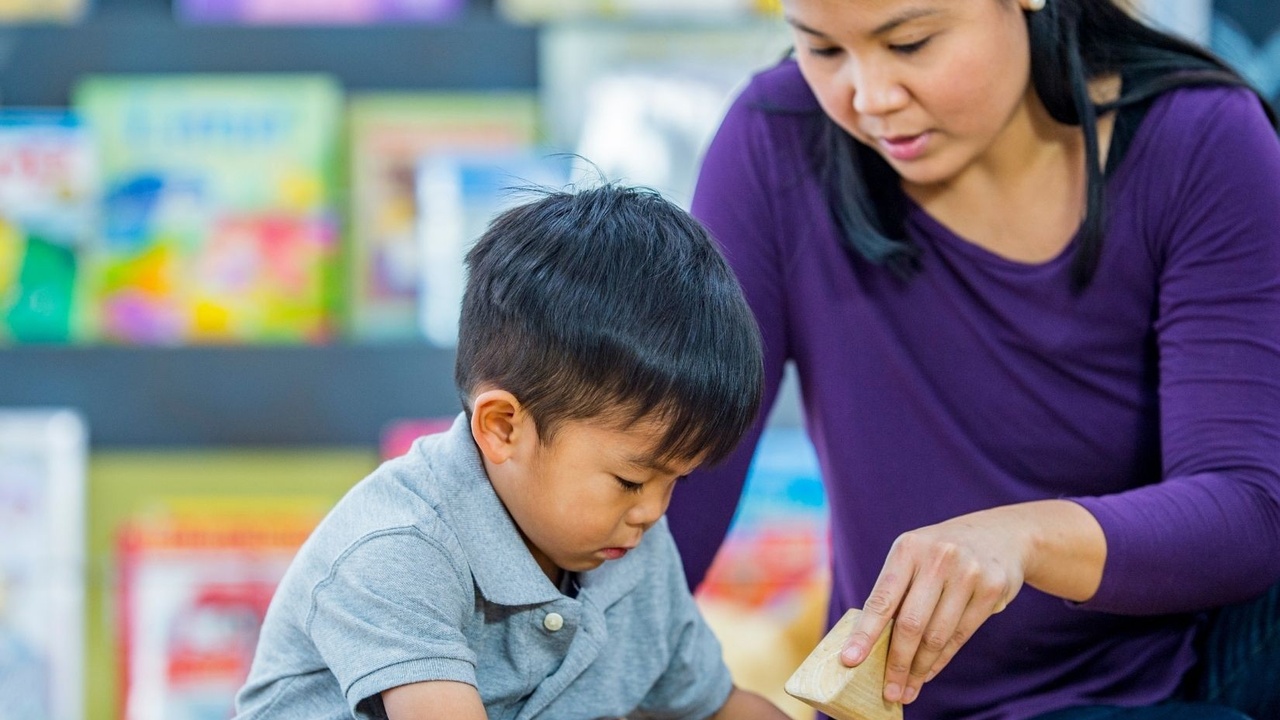
People are starting to realize that sharing might be the best solution to society’s overconsumption habit. That’s why we are seeing things like tool lending libraries, car sharing companies, clothing swaps, and carpool apps gaining popularity. You might actually be surprised at all the different items people are sharing nowadays.
For example, did you know that toy libraries are a thing? Just like a regular library with books, toy libraries allow you to check out and borrow toys to bring home. The toys in a toy library are carefully selected, ensuring that there are plenty to choose from for all ages and abilities! Whether you are looking for play mats for a baby or Lego blocks for an older child, toy libraries are likely to have it all.
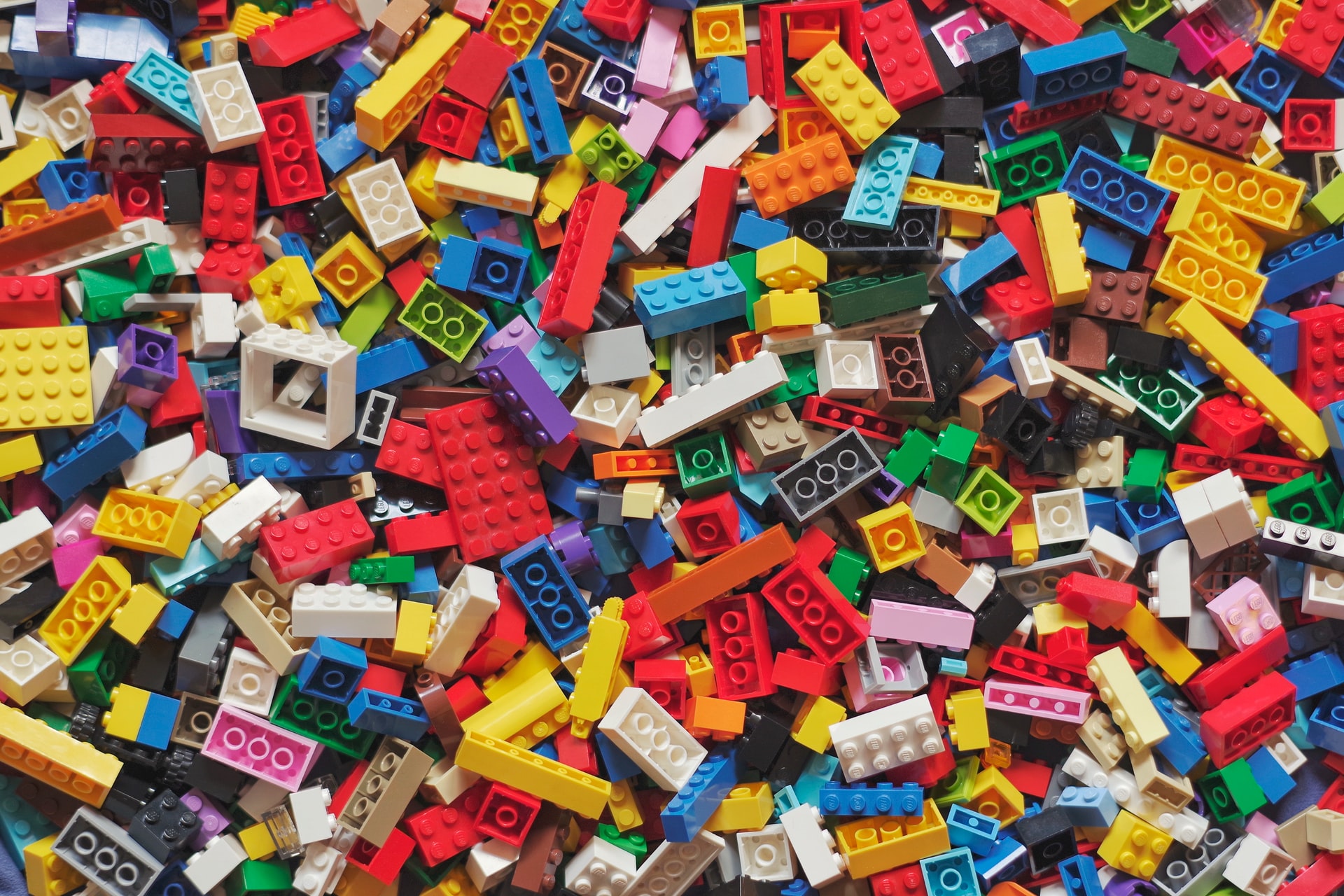
And of course, the toys are cleaned and kept in good condition so that they offer each new child a fun and safe play experience.
How toy libraries work
Many toy libraries will charge a small annual or monthly fee that allows you to take out a few...
Recipe for a Litterless Lunch
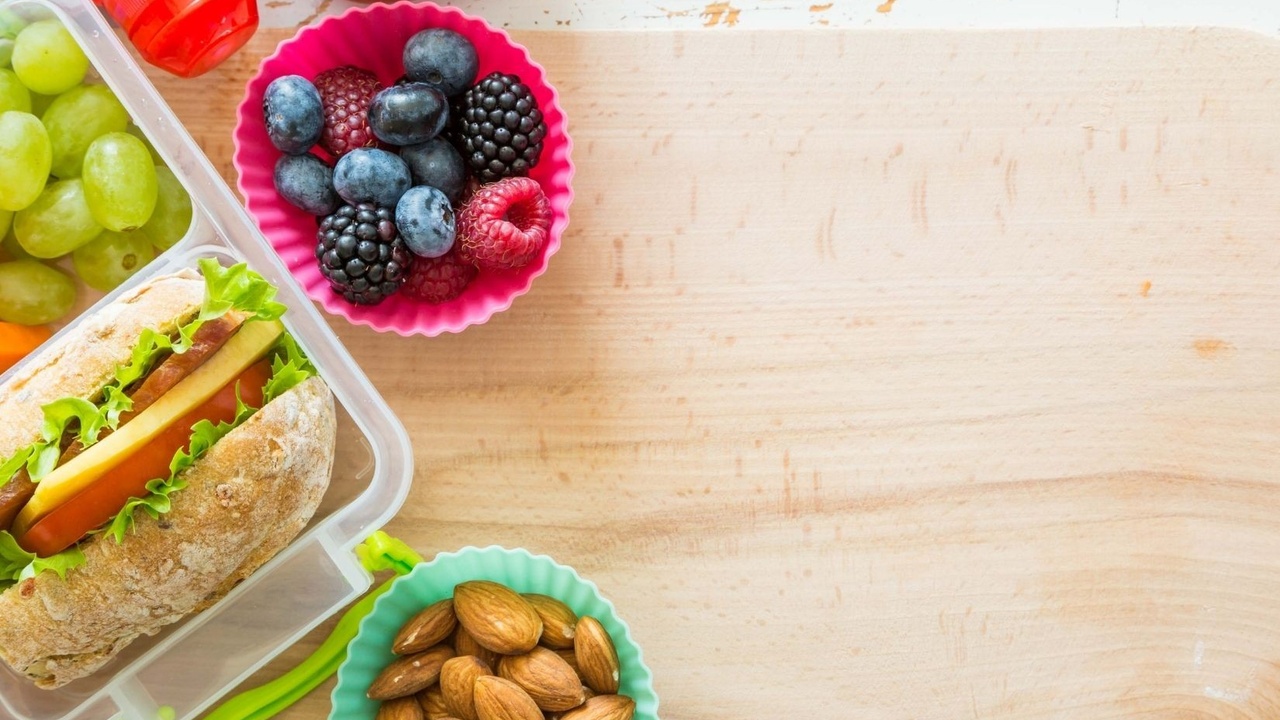
Every meal is an opportunity to live sustainably. This is a topic we’ve explored before – the food we eat has a significant impact on the environment. Some negative consequences of our food choices include excess carbon and other greenhouse gas emissions, synthetic chemical use, animal welfare problems, unfair labour, wasteful packaging, and environmental pollution.
On the other hand, making positive food choices like eating local, choosing organic, and growing your own produce help mitigate these issues and bring you one step closer to sustainable wellbeing.
In short - food is one of our most direct connections to the natural world, and we can really make a difference to our wellbeing and that of the planet with our food choices.
However, being environmentally conscious when it comes to our food choices isn’t just about the food itself, but also about the way we package our meals when we’re on the go.
We can elevate our food choices by looking at the big picture – how our food is ...
Bartering for the environment

When we think of bartering, it is easy to think of it as an ancient practice replaced by modern currencies. Mesopotamian tribes are thought to have started the first bartering systems in around 6000 BCE to trade food, weapons, and spices. In ancient Rome, services were bartered for salt. Bartering is thousands of years old and precedes the use of money; however, it is still relevant and used today with many online sites available for anyone who has something to trade. But where does bartering fit in a modern society? And what makes it beneficial?
What is bartering?
Bartering is a direct exchange of goods and services, without a money intermediary. It is a great way to participate in a sustainable and circular economy, and encourages the use of second-hand clothing, jewelry, and other items by creating a trading community, as opposed to being centred around a currency. Although it often does, bartering doesn’t have to involve goods. Services such as trade work, cooking and cleaning, a...
How to make your coffee even better

I confess that while I drink my herbal tea all day long, my morning treat is one really good cup of coffee. We all have those treats, and if coffee is one of your go-to choices perhaps it’s an iced cappuccino on a hot day or a morning dose of caffeine, it is worth considering if we can make coffee better.
With nearly 2 billion cups consumed every day across the globe, coffee is one of the world’s most popular drinks, and, according to Fairtrade, with 125 million people whose livelihoods depend upon it, coffee is also the most valuable and widely traded agricultural product. As with any industry this size, coffee production has significant environmental and social impacts, and it is important to remember that our beloved caffeinated beverage affects more than our sleep schedules. Your daily cup of coffee presents an opportunity to choose sustainability and start off your day with a positive impact on the world around you.
Navigating the world of sustainable coffee can present its own ...
Raising Eco Minimalists with Laura Durenberger
Better seafood choices are within reach
It is no secret that the food we consume helps to determine our environmental impact. On some level, we know this is the case. However, it can be easy to overlook and misunderstand the exact environmental impacts of our food. This is because we are so removed from the production, processing, and transportation processes that bring our food from farm or sea to our dinner tables.
The truth is, that many of us are quite unaware of the impacts our food has on the environment throughout multiple stages in what can be a complex food supply chain. This lack of knowledge may lead us to make incorrect judgments about the sustainability of our food choices.
For example, many people choose to eat fish and other seafood as an environmentally friendly alternative to meat such as chicken, beef, and pork.
Is seafood sustainable?
It is true that seafood has a smaller carbon footprint than other meat. This is because wild-caught fish feed in the wild, and don’t require land or fresh water, and are ...
The push for greener grocery stores
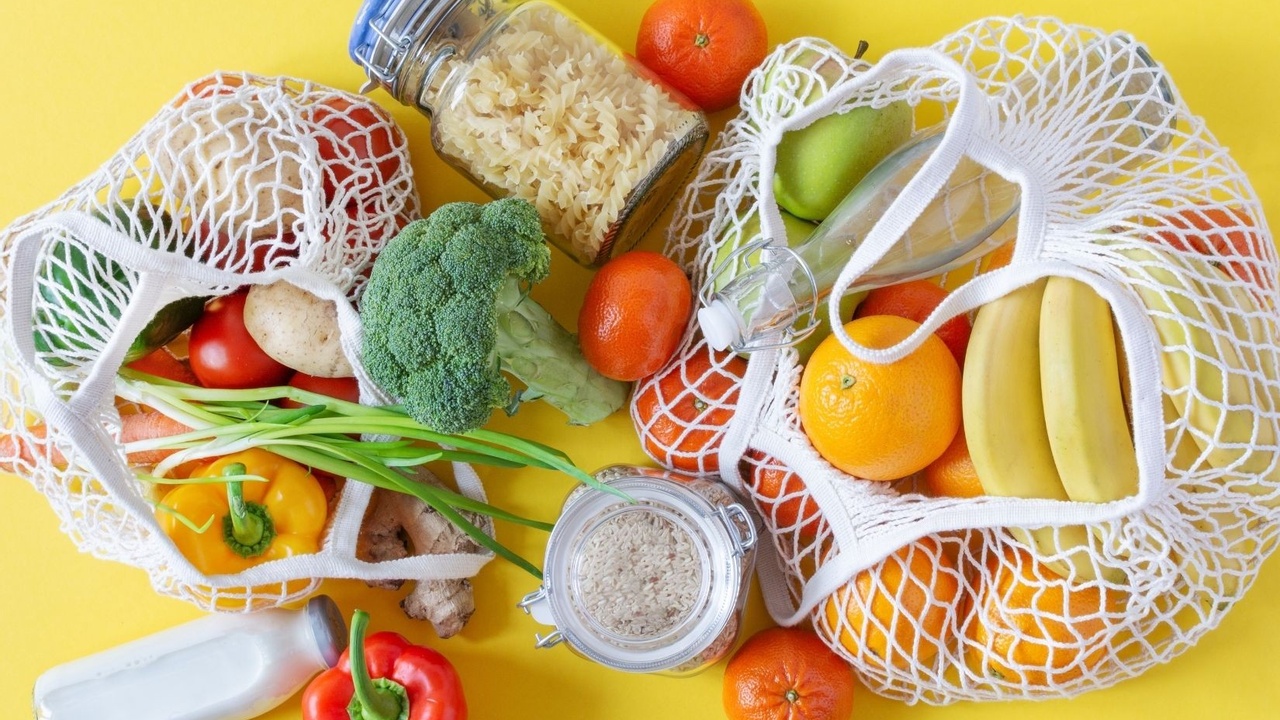
Pursuing a green lifestyle isn’t always easy – it’s true that eco-friendly goods and services aren’t always available, accessible or affordable, never mind convenient. As much as we may try to minimize our impact on the planet, sometimes the systems in place make that difficult.
While we are seeing many businesses going green and making commitments to reduce their environmental impact, there are still some businesses (especially essential services) that seem to be stuck in their environmentally harmful ways.
Take grocery stores, for example. Grocery stores are vital components of the built environment that make neighbourhoods and communities liveable. While it is possible to purchase some of your food from alternative sources such as farmer’s markets, community gardens, community supported agriculture, and your own backyard, chances are that you’ll still need to visit the grocery store every now and again.
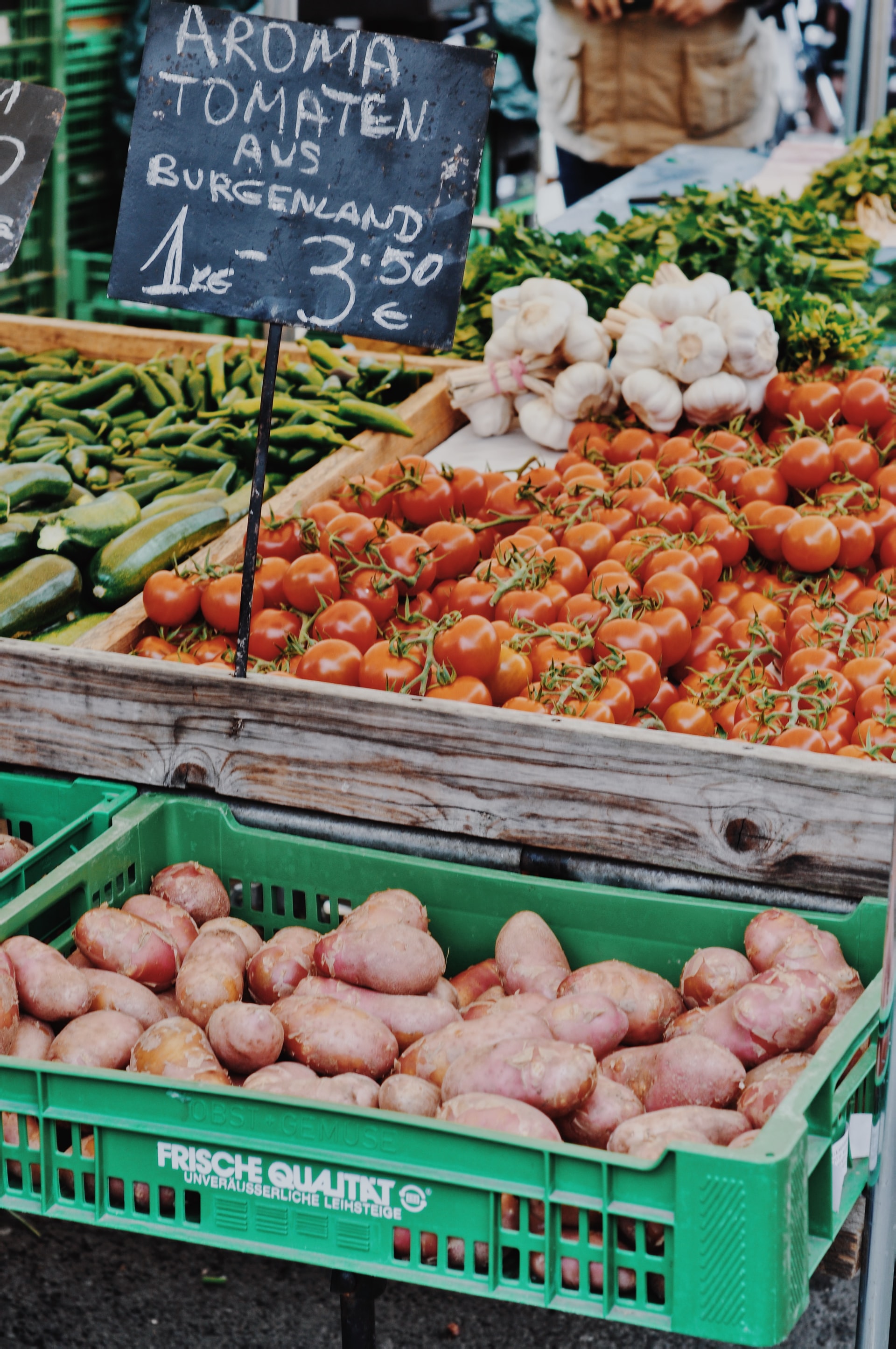
So, given the fact that shopping at grocery stores is somewhat unavoidable ...
Tying the knot while loving the earth

Weddings are often one of the most significant days of our lives and can be a beautiful celebration of your relationship and public commitment that you make to one another. And yet, amidst the joy and beauty of this celebration, the truth is that typical weddings can have a large negative impact on the earth.
Think about it – all the food, decorations, wedding favours, clothing purchases, and of course gifts. Many of these items end up being purchased solely for the wedding day, and unfortunately, weddings can generate plenty of wasteful behaviours and over-consumption. When really, all that we want is to celebrate two people and their love for one another. So, why all the waste?
According to the Green Bride Guide, the average wedding in the United States produces 400 pounds of garbage and 63 tons of carbon dioxide. Producing that amount of waste in one day just isn’t sustainable, especially considering how many couples get married each year.
And yet, there are plenty of ways to min...
Protecting the ribbon of life
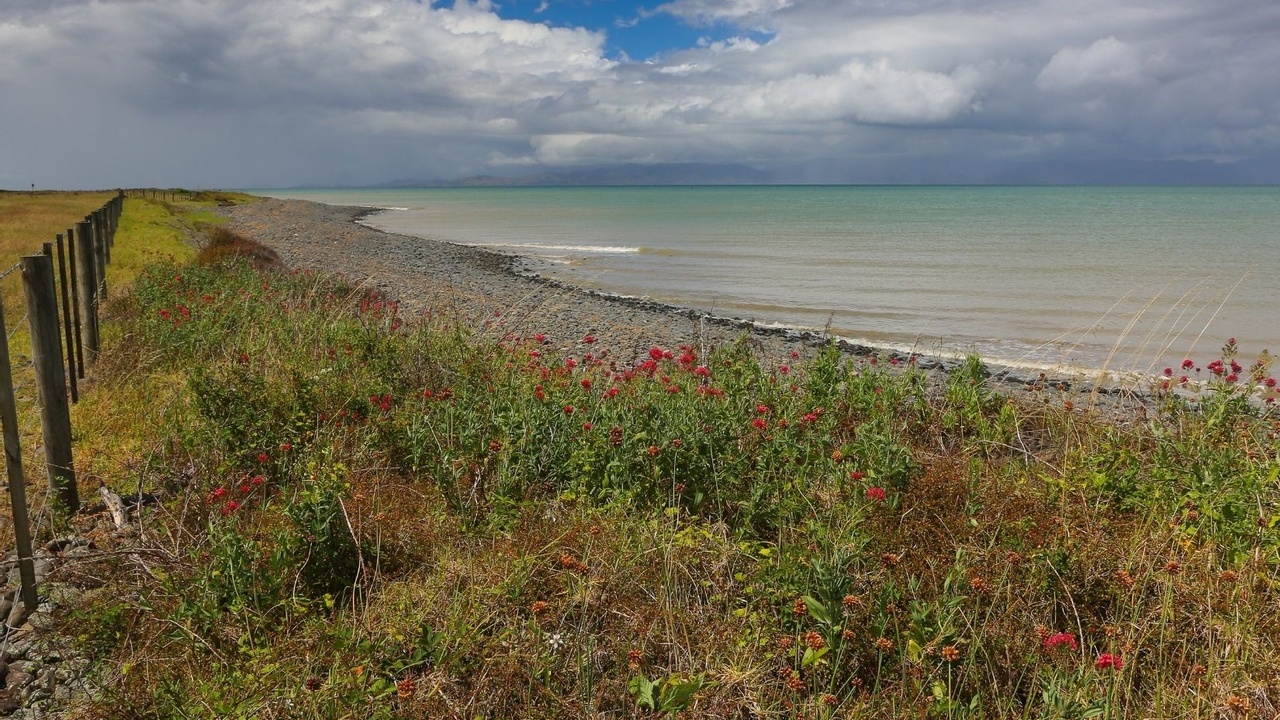
Spending time on a shoreline is a privilege and an escape that so many of us enjoy. Whether that is with day trips to the beach, or camping near waterways or having a cottage or even home on a shore, we know that being at the water’s edge is calming and peaceful. For me it somehow washes away my stress in an instant.
In fact, it is thought that watching the movement of water is so ingrained in our evolution, that it is innately calming to most of us, and being in nature has known benefits to both our physical and mental wellbeing.
However, as much as we like to be near the water or to live on waterfront properties and take advantage of the benefits that come along with these locations, it is crucial to remember that lakes aren’t just for human enjoyment. They are ecosystems that provide a habitat to many important species that contribute to the overall health of the lake.

Development alongside lakes, which consists of building waterfront homes, cottages, and campsites, has a signi...
