
Sustainable wellbeing and green living
Let's find ways to Flourish!
Room for the River
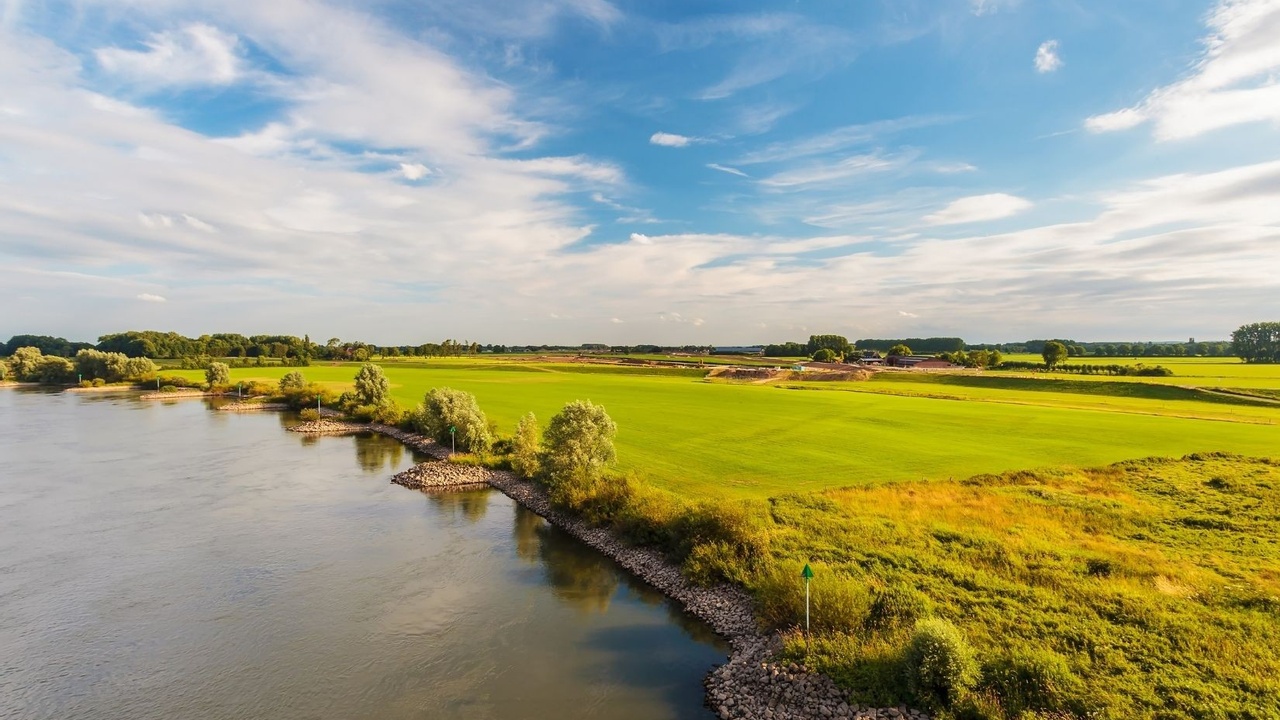
It is not uncommon for people to think of the natural environment as separate from the built environment. To be fair, it is hard to think of oneself as being part of the natural world when located in urban areas which are surrounded by buildings and concrete as far as the eye can see.
That being said, the truth is that there is no way to escape nature, as we are a part of it! Whether it seems like it or not, our human environments are constantly influenced and affected by nature and natural processes. One of the best ways to illustrate this concept is by discussing natural disasters such as earthquakes, hurricanes, and floods.
The climate change sized elephant in the room
These events are impossible to prevent. There is not much we can do in order to stop natural disasters from happening. The truth is that they do occur and will continue to occur due to climate change which exacerbates natural disasters both in terms of frequency and severity.
As you may know, either from firsthand...
Why we should emulate nature in design

Humans are influenced by nature in many different ways. One of those ways is through design. In many cases, we take inspiration from our natural surroundings when it comes to architecture, interior design, and many of our human-made inventions.
While taking inspiration from nature may be something as simple as utilizing natural colour schemes, nature-based design can also be much more complex. Take biomimicry for example.
Making design better!
Biomimicry is the reproduction of natural forms and their functions, to make human-designed objects and machines more efficient. According to the Biomimicry Institute, biomimicry is “an approach to innovation that seeks sustainable solutions to human challenges by emulating nature’s time-tested patterns and strategies.”
Some quick examples of biomimicry include:
- Increasing the efficiency of wind turbine blades, airplane wings, and propellers by mimicking the bumps seen on the front edge of a whale fin.
- Decreasing the noise level of Japan ...
When the river sues for damages
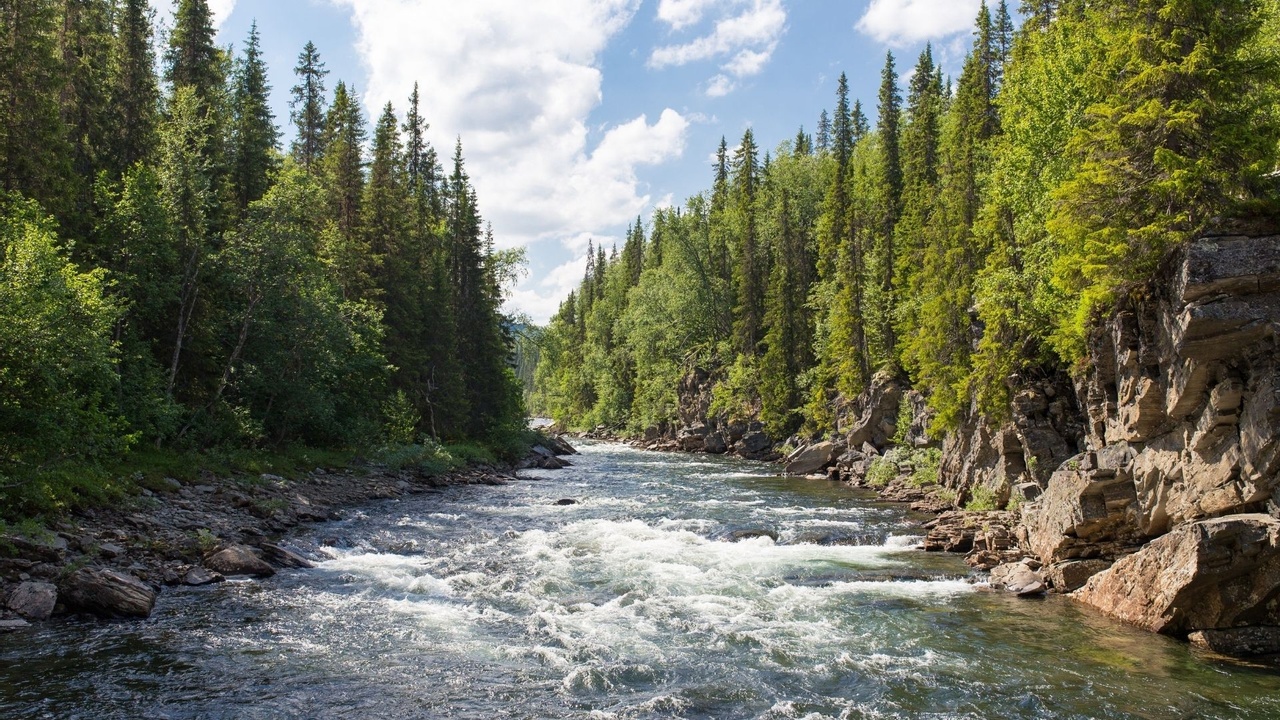
Should non-human beings and other elements of the natural world have rights? Could granting legal personhood be an important step when it comes to revolutionizing the way we protect nature around the world?
This is a very interesting concept, that although may seem a bit far fetched, is becoming a reality and may have the ability to make a significant difference when it comes to environmental protection!
And actually, when you think about the different environmental ethics that exist, it actually makes a lot of sense for elements of nature to be granted personhood.
Environmental ethics and the rights of nature
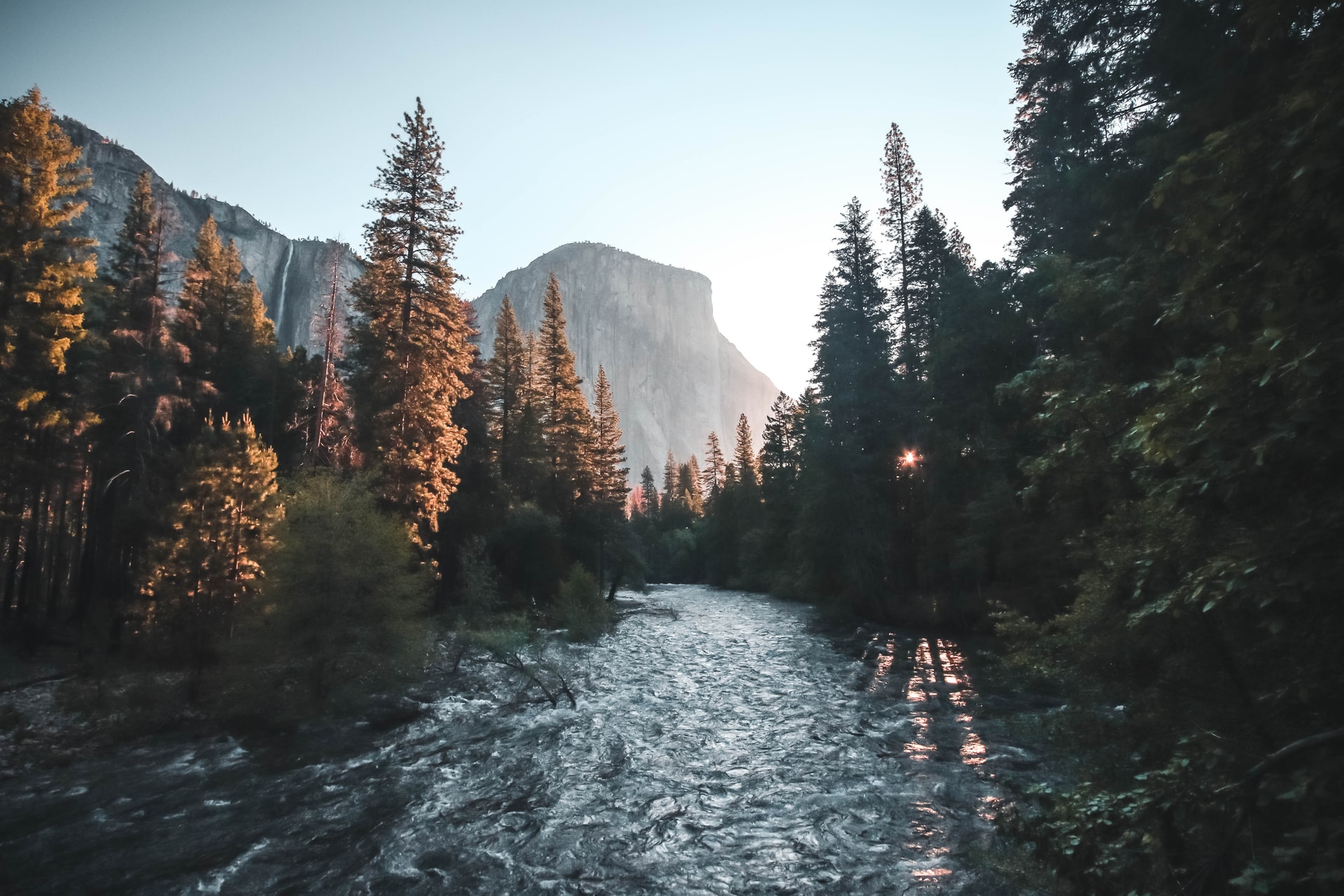
Your environmental ethic determines the way you view yourself (or humans in general) in relation to the natural world. Environmental ethics guide our moral relationship with the environment, as it helps us determine what behaviours, actions, and thoughts are ethically right when it comes to human interactions with the natural world.
Environmental ethics can be split into t...
Why the environment needs art activists

For thousands of years, humans have expressed themselves, their emotions, and their experiences through art, whether it be through cave paintings, intricate sculptures, or hastily drawn sketches in the back of a notebook.
More than just a fun pastime, the creation of art can also be thought of as the creation of culture, as these two cannot exist without one another. Art not only contributes to and shapes culture, but reflects culture as well.

Seeing that culture is often thought of as the defining characteristic that separates humans from other living species, it is only natural that humans are drawn to art, whether that be creating or viewing it.
Since art is such a significant part of the human experience, it can, and often is, used as a tool for conveying important messages. I love to see when art is cleverly used as a tool for environmental activism!
Images vs. words
Sometimes numbers and statistics just aren’t enough to make us truly understand the detrimental impacts of c...
4 Ways to Make Industrial Decarbonization a Reality

Yes – individual actions are very important when it comes to reducing our environmental impact and ensuring the sustainability of our planet and its ecosystems. However, we also need to think big picture in order to make the necessary transition to a greener way of living. Not only is it beneficial for individuals and businesses to go green, but for entire industries as well!
Did you know that emissions from the industrial sector comprise one-third of all global emissions? It is no secret that our economies rely heavily on the industrial sector. A wide variety of industries are responsible for producing the items we rely on in our everyday life. For example, items such as cellphones, homes, city structures, consumer goods, as well as many more, are made up of materials that are produced by the industrial goods sector.

This reliance on and prevalence of the industrial sector is why we need to find greener solutions! If we’re unable to do away with activities that negatively impact t...
An ancient building technique is gaining new fans: Rammed Earth Construction

Image Sourced From: Green Building Advisor
How familiar are you with construction methods and materials? The vast majority of buildings, both residential and commercial, are built around a frame made of dimensional lumber (standard 2x4 pieces of wood) or light-gauge steel. Other construction methods, such as bricks and reinforced or unreinforced concrete, are often used in conjunction with a frame.
However, these aren’t the only methods of construction available, nor are they the most environmentally friendly methods! For example, concrete has a significant environmental impact, as the cement industry is one of the main producers of the world’s CO2 emissions.
So, what other kinds of construction methods and materials are out there? Rammed earth is an ancient building technique that is just as applicable today as it was thousands of years ago. Not only is it applicable, but it also is sustainable and quite aesthetically pleasing. It is just one of many green building techniques. As b...
Coffee chat and repair? The rise of Repair Cafés

Image Sourced from: Repair Café
When it comes to dealing with broken appliances, furniture, technology, clothing, bicycles, and more, it can be expensive to get these items repaired professionally. Sometimes you might feel that you should simply dispose of your broken item and buy a new one. However, this endless cycle of buying and replacing doesn’t benefit the environment. It also can end up costing you more in the long run.
You might have also noticed that repair shops seem to be disappearing. For example, it’s not that common to come across shoe repair shops anymore despite the fact that we obviously all still wear shoes! This means that it is much more common to throw out a pair of shoes once you’ve worn out the soles instead of simply getting the soles replaced. With the combination of decreased repair shops and an increase in consumer culture, this leaves people with few opportunities to repair and reuse their items.
Enter a new wave of resources to help you learn how to repa...
Climate Change Stories Rewritten

The Climate Illustrated project grabbed my attention on Instagram because they are doing something different than the other activists out there. First of all, they are using the platform to share stories. Stories from real people allowing us to glimpse into the richness and diversity of the human experience, and how that experience is being threatened by climate change.
The stories that they share are of real people and their concerns over environmental issues - how they overlap with climate justice, daily survival, and their deep connection to the natural world. It is an amazing way to glimpse snapshots of life around the world.

But more than that, the images that they are using to tell these stories are stunning and powerful at the same time. It goes far beyond the usual depiction of climate change issues with melting glaciers and threatened polar bears. Through illustrations, they depict scenes that could be snapshots of a life or a portrait of resistance.

This illust...
Business done better: Triple Bottom Line Reporting

Traditionally, businesses have determined their success by measuring their bottom line, otherwise known as, “show me the money”! Sure, I get it, profits are easily measured, but we know that there is a lot more to a business than just the financials. What about the people, community, the environment and the company’s impact in all of these areas?
Why do we need more than one bottom line?
In the past decade we have started to see sustainability mentioned as a goal or purpose of many businesses, non-profits, and governments. As more and more people become aware of the environmental and social issues we are currently facing, demand for sustainable businesses is increasing. Conscious consumers want to give their business to companies that are mitigating their harmful effects and making positive contributions. And, it turns out that more and more people want to work for those types of companies too!
However, claiming to be sustainable means nothing if there is no way to measure sustainab...
