
Sustainable wellbeing and green living
Let's find ways to Flourish!
Green Burials

Ok, I know, most of us don’t really want to think about death and the logistics of what happens when someone dies, however, the reality is that there are numerous environmental issues with the way we handle funerals and burial. And, there are plenty of ways that we can do better! It turns out there is a growing green burial movement to help us out.
Death is a fact of life that is dealt with in many different ways across different cultures and religions. In Western society, funerals often include flowers, expensive caskets, often embalming of the deceased, cremations, cemetery plots, and more. These funeral elements are chosen in order to pay respect to the deceased, but it is also important to consider whether these elements reflect the wishes and values of the deceased.
Not only do caskets, flowers, and other embellishments cost thousands of dollars, but they also have quite a significant negative impact on the environment. Traditional funerals aren’t green, but that doesn’t mean th...
What you need to know about consumer goods

We all have a vague understanding that consumer culture is linked to environmental degradation and climate change, but how do we get around this, especially when we live in the real world, with birthdays, and Christmas, social pressures to shop and often a lack of easy to access eco-friendly alternatives.
I like to do a little time traveling before purchasing anything.
Well, there are a few basics to consider, I like to do a little time traveling before purchasing anything. Instead of just thinking about price and value, think about where that good came from AND where it will end up when you are finished with it. That can put the "sale" item into a much more realistic light of its true cost.
But, what exactly are the issues associated with consumer goods?
Over-Consumption of Material Goods and Throw-Away Culture
Consumer goods are products that are found on store shelves and bought for consumption by the average consumer. Consumer goods can be anything from food, clothing, f...
Dealing with the Denial of E-Waste
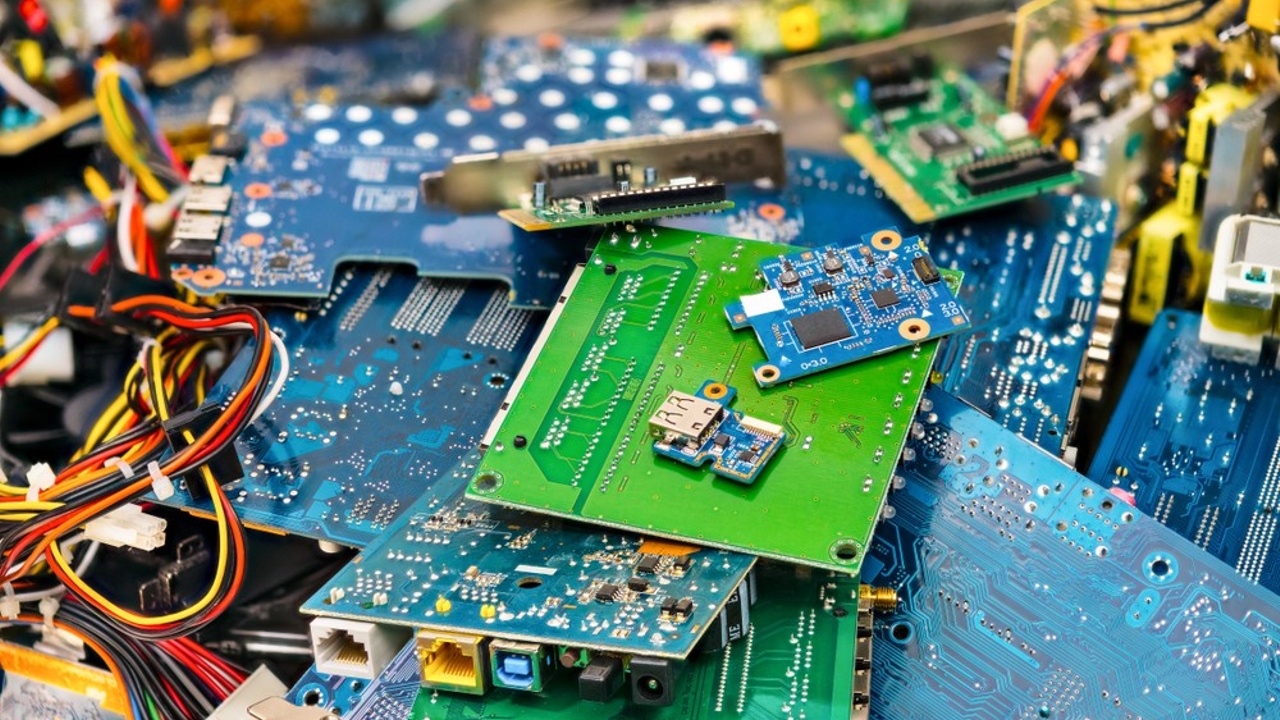
Are you in denial about the environmental impacts of your tech devices? Sure they are fun, and often necessary, even a lifeline during the COVID lockdowns, so perhaps it is not all that surprising that we don’t like to pay attention to the environmental and social issues of the e-waste associated with our tech habits.
It has become downright impossible to live a modern life without producing electronic waste. Electronic devices play an important role in our everyday lives. Let’s face it…who can go a whole day (hahaha, a few hours) without checking their phone or email, or snapping a photo?
It’s not uncommon for every member of a household to have their own cellphone, laptop, camera, etc. On top of that, shared electronic devices such as televisions, DVD players, gaming consoles, printers, and more, are often found within one household.
With all these electronic devices around, it is inevitable that we will contribute to the production of e-waste. After all, every action and certain...
What does a sustainable economy look like?
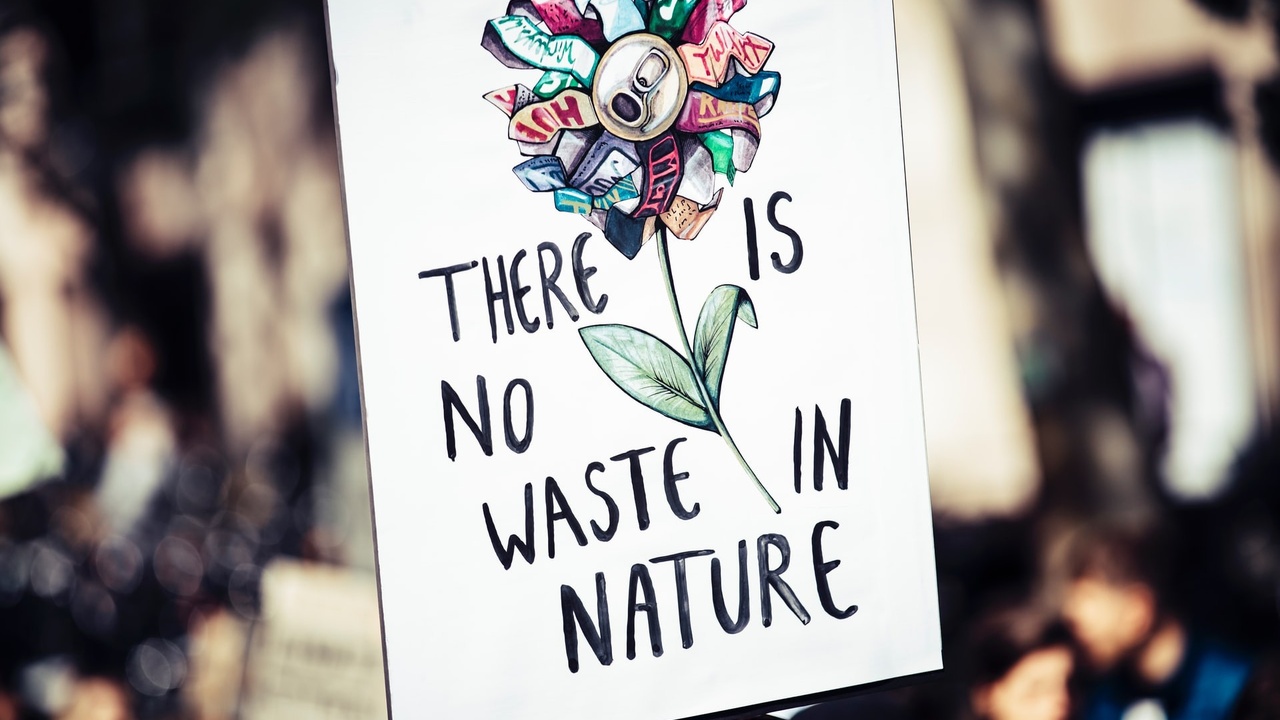
Sustainability is often defined as the ability to meet the needs of the present without compromising the ability to meet the needs of future generations. Typically, sustainability is made up of three pillars: social, environmental, and economic. In other words, sustainability takes into account people, the planet, and profit.
The environmental pillar tends to get a lot of attention when it comes to discussions surrounding sustainability. While this topic is undoubtedly important, it is useful to look at the economic side of things as well! Let’s take a closer look at the economic pillar of sustainability.
Issues with the current linear economy
We are currently operating in a linear economy. That means that consumption follows a linear process referred to as the ‘take-make-waste’ approach.
Take – When there is a high demand for consumer products, supplies such as non-renewable and natural resources get depleted at an alarming rate in order to keep up with demand. And we know that ex...
Rethinking E-waste

Sure, we want to do what is right when it comes to recycling and disposal of our electronics, but for many people, electronics recycling can be a bit of a grey area. It’s hard to know exactly what to do with your e-waste or outdated electronics. That's why so many people find they have a drawer or box full of old electronics that they haven't quite figured out what to do with.
So, here is my quick guide to help you find the best way to manage your e-waste responsibly.
E-waste 101
First, let's just cover off what we mean when we are talking about e-waste. E-waste, or Electronic waste, is electronic equipment that is no longer wanted or no longer works. When electronic devices have reached the end of their useful life, for us, they become electronic waste. But, that doesn't mean they are no longer useful!
Keep these devices out of the landfill!
Sending your electronic waste to the landfill can cause serious environmental harm. Most electronic devices contain toxic heavy metals such...
Green Investing and Banking 101

Something we tend to forget about when it comes to green living is our money. The money sitting in our bank accounts or investments may not seem to be a direct cause of greenhouse gas emissions, but the financial institutions we are associated with, as well as our financial investments really can have a large impact on the environment as well as social issues. For better or worse!
While there is no shortage of ways to actively lead an environmentally friendly life - opting for active transportation wherever possible, shopping local, being a part of the sharing economy, composting, zero-waste grocery stores - the list goes on and on. But what about the impact of your money - are your investments contributing to the very issues that have you worried for the future?

Getting Started with Green Investing
So, where do we get started? There are two basic considerations when delving into the issue of green investing. First, we can avoid polluting sectors and industries and second, we can ...
The Gardening Life with Lori and Keith Michaelson

From the Flourishing Community

In honour of the 100th edition of the Flourishing Fridays newsletter, I thought it would be great to profile some of the amazing work that folks in this community are doing. Sharing some inspiration and celebrating our wins, big and small. Together we are learning about how to live more sustainably, how to spread the ideas of green living and to enjoy life more!
What an amazing and inspiring list!
Aditya is helping to educate others about the importance of protecting wilderness.
AJ fixes appliances, builds with reclaimed lumber, raises bees and enjoys time in nature.
AK – promotes thrifted fashion for badass Millennials on her social media accounts.
Angelika got small recycling bins for her condo complex and avoids wasting food.
Anuradha – runs sustainable clothing companies using all traditional textiles and zero waste production that also provides employment for women in India.
Amanda is eating more local food and loves to support local businesses.
Anders helps kids in low-in...
What's Your Walk Score?

We all know that walking or other means of active transportation is great for your health, yet it can be difficult to fit exercise into our schedules. But if you think about it, that is because exercise is no longer how we get around! When you live in a walkable neighbourhood or city, just getting from point A to point B might fulfil your daily exercise/movement goal.
And, being able to walk, bike, or use other means of active transportation in order to get around significantly decreases our environmental impact. While personal automobiles burn fossil fuels, therefore contributing to carbon dioxide in the atmosphere, getting around by foot leaves zero pollution behind.
So, have you ever found yourself wishing you were able to quantify the walkability or overall environmental friendliness of a city or urban area?
This kind of information can be really useful when it comes to finding a place to live or travel to.
Walkability is also financially advantageous. North American househ...
This is What Smart Growth Looks Like

It’s no secret that North American cities have some serious urban planning issues which jeopardize the environmental sustainability and overall livability of urban areas. For example, urban sprawl, the rapid expansion of development on the peripheries of cities, is extremely common. This is an issue, as this new development is usually characterized by low density residential housing and single-use zoning, therefore increasing reliance on private automobiles for transportation. With suburban sprawl, we often see inner cities deteriorate as social inequality increases.
So, how do we remedy these issues? With land use and development practices that work to reduce urban sprawl and promote healthy, liveable, and enjoyable cities. Smart Growth is a term which is used to describe this type of sustainable development. As urban populations continue to increase, we need to plan our communities in a way that is environmentally, socially, and economically conscious. In other words, in a way that ...
