
Did I Ever Tell You About the Time We Started a Housing Co-op?
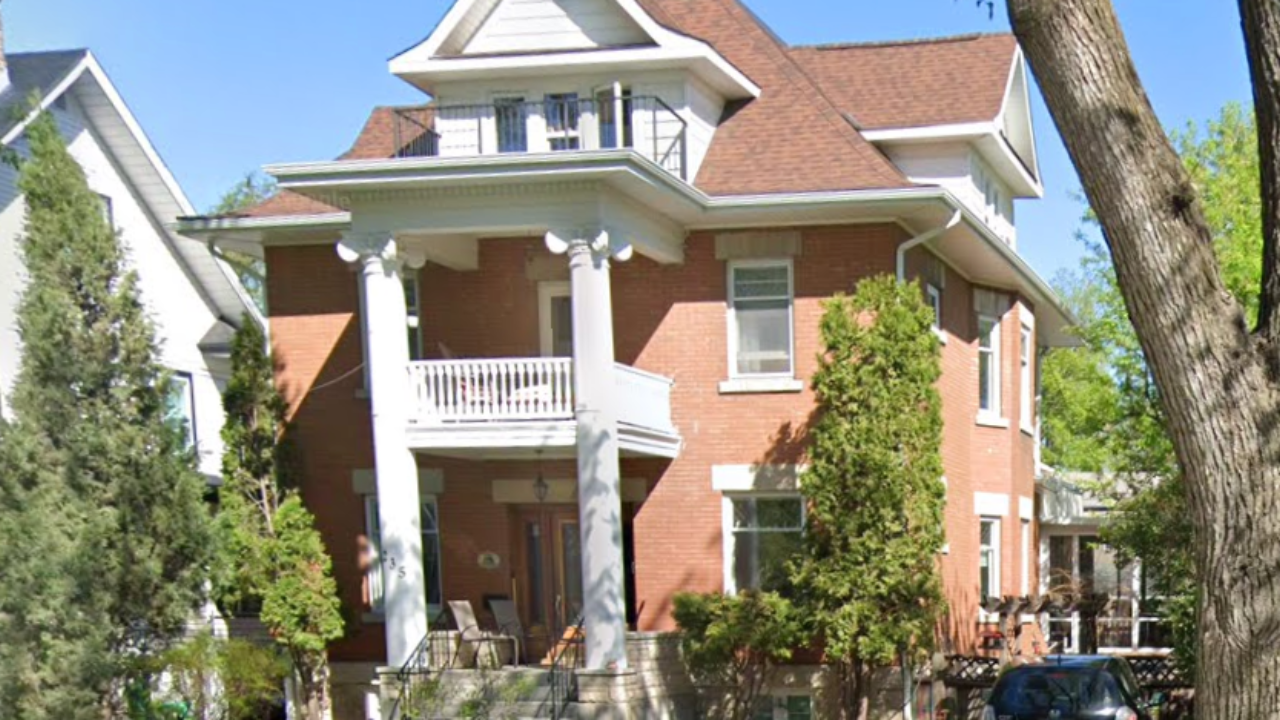
Coming Home to Bluestem
It was a sunny summer evening, and AJ and I were in our mid-twenties, both working downtown. We came home to our three-storey walk-up apartment in the Corydon neighbourhood — back when it was already lively, full of good food, great gelati, and the feeling that you were exactly where you wanted to be.
We headed in through the back, up the fire escape — which functioned less like an emergency exit and more like a multi-storey deck. On warm evenings, it was where life happened. Kids played. Parents shared snacks and a beverage.
We’d head up one flight, stop to chat. Go up another, stop again, sit down, play with kids. Conversations overlapped. Laughter drifted up and down the stairs. AJ used to joke, you know you’re living in a co-op when it takes you 90 minutes to get up two flights of stairs.
And he wasn’t wrong.
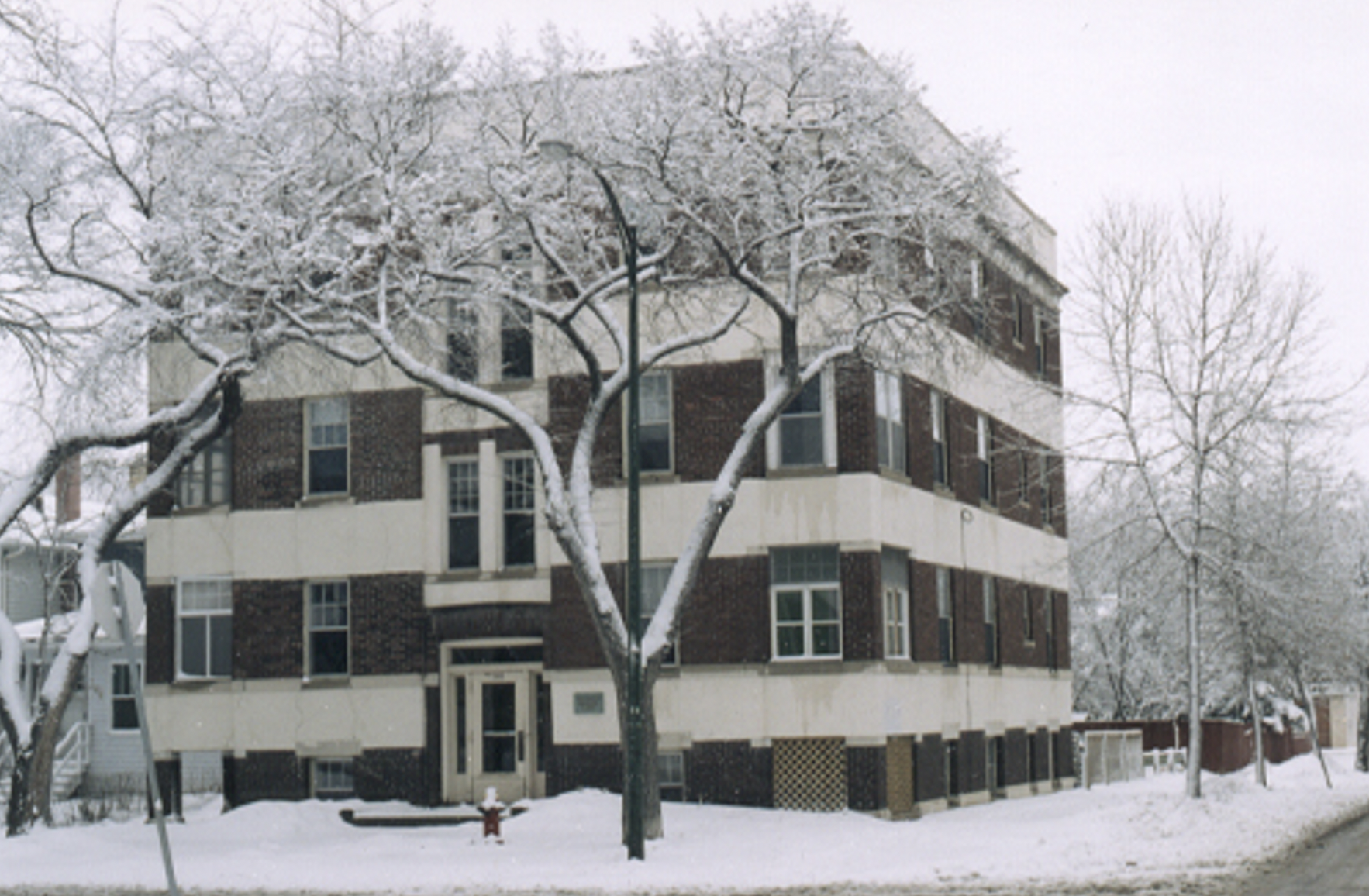
Bluestem Housing Co-op, Winnipeg, Canada
It wasn’t organized. It wasn’t forced. It was what happens when people choose a co-operative way of living that makes connection possible.
Fast-Forward: What I’ve Been Witnessing Lately
Fast-forward to now.
Over the past year, I’ve had the privilege of meeting with Bev every couple of weeks while working on the South Osborne Commons project together. Along the way, I got to witness something remarkable — the everyday life of the women’s housing co-op she founded, WHIM (the Women’s Housing Initiative of Manitoba).
This evening, I was at Bev’s home helping celebrate her 80th birthday — surrounded by the women she lives with, her family, and a wider circle of community. It was joyful, warm, and deeply meaningful.
WHIM isn’t just affordable housing. It’s a place intentionally designed for connection and care. Each woman has a built-in “buddy” — someone who checks in, helps out, and notices when support is needed. When Bev broke her shoulder last year, she wasn’t alone. When another housemate was sick and in the ER, the concern that she’d be discharged to an empty home simply didn’t apply. She had people. She had community.
This is what housing looks like when it’s designed for people — and their actual needs.
The Problems We Keep Trying to Solve Separately
We often talk about the housing crisis, the loneliness epidemic, and the environmental impact of how we build our cities as if they are separate problems.
They aren’t.
In many North American cities, we’ve built sprawling neighbourhoods filled with large, resource-intensive homes that are increasingly unaffordable and often isolating. At the same time, rates of loneliness and social disconnection are rising, particularly among women, elders, and people living alone. And all of this is happening against the backdrop of climate and ecological crises that demand we use land, energy, and materials far more wisely.
What if some of the solutions we’re looking for already exist — not in new technologies, but in simple, human-centred ways of living?
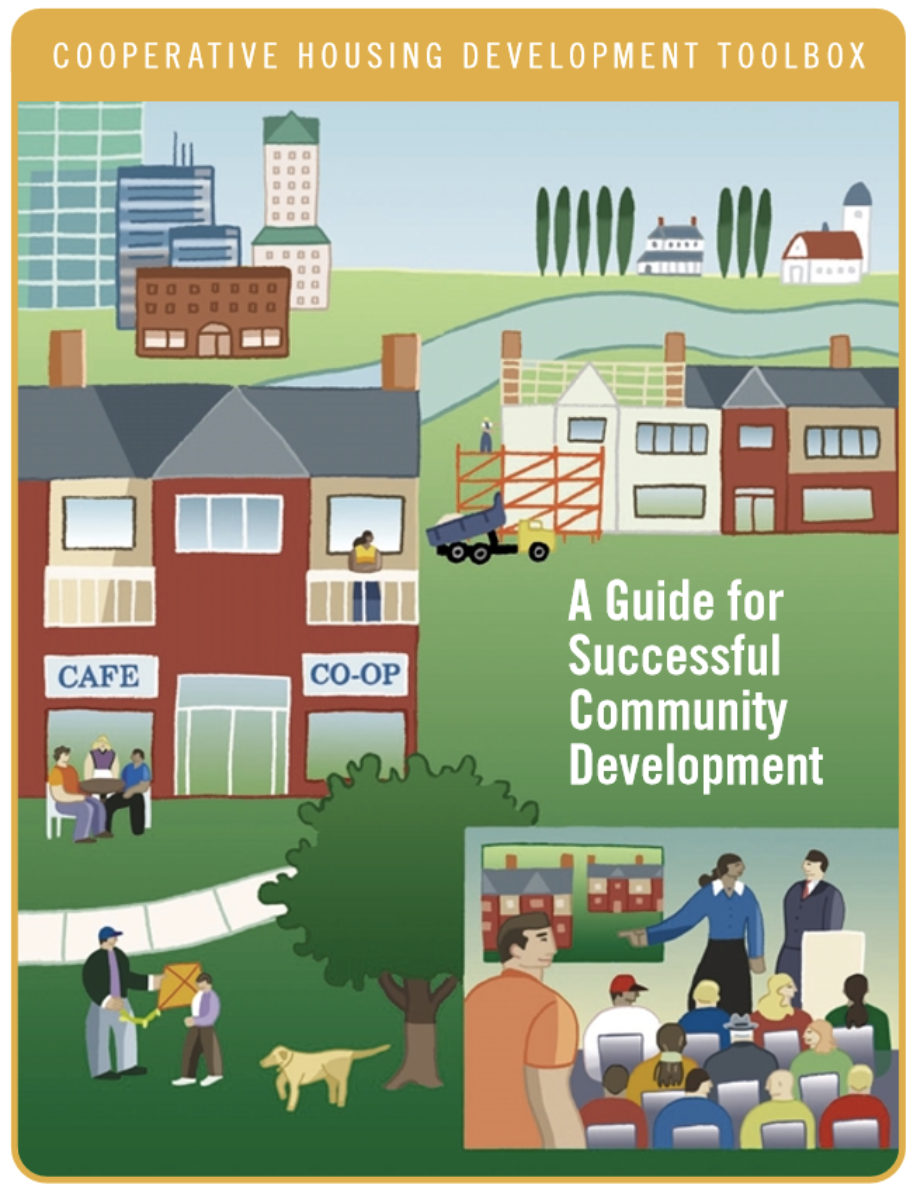
Click image to download the free e-book, Foundation for Intentional Community
A Powerful Solution
Housing co-operatives sit at an important intersection — sustainability, affordability, and wellbeing — and they can be set up in almost any way you want!
From an environmental perspective, co-ops often take the form of medium-density housing: smaller private spaces paired with shared amenities. This kind of housing uses land, materials, and energy far more efficiently than the large, single-family homes that dominate our North American cities. Less duplication, fewer resources, and a lighter footprint — while improving, not sacrificing quality of life.
Affordability is another key strength. Because co-ops are collectively owned and governed, housing costs are stabilized rather than driven by speculation. People aren’t just tenants; they’re members with agency and a shared stake in the place they live. That shift alone changes how housing feels — from something precarious to something dependable.
But perhaps the most overlooked benefit is social. Co-operative housing creates the conditions for connection. Not because everyone must be friends, but because the structure encourages people to know one another, to notice one another, and to share responsibility in small, everyday ways.
So Much More Than Housing
Over time, intentional co-operative housing produces something that’s increasingly rare: a sense of being a part of a community.
It produces trust — built slowly through shared decisions and shared spaces.
It produces informal care — the kind that shows up when someone is sick, aging, overwhelmed, or simply needs help.
It produces resilience — not the rugged, “I can do it all”, individualistic kind, but the collective kind that makes life’s harder moments more manageable.
In places like WHIM, that support is intentional. The buddy system isn’t an add-on; it’s part of the model. And at Bluestem, those relationships grew naturally through living together, working on the building, children growing up, getting older, lives unfolding side by side.
These homes don’t just provide shelter.
They create belonging.
And that may be one of the most important forms of infrastructure we can build.

Kinship affordable co-operative housing, Vancouver, Canada
When Did Independent Become Synonymous With Isolated?
For many older adults, independence is something to protect — something to hold onto for as long as possible. And for good reason. Our housing systems often present a stark choice: live alone, or give up autonomy.
But co-operative housing offers a different path. One where people can remain independent longer precisely because they are not alone. When help is nearby — informal, trusted, and reciprocal — everyday challenges don’t become crises. Independence is supported, not threatened.
The same is true for others at different life stages. New parents at home with young children, people working remotely who miss the presence of others, and those of us who crave real, in-person connection — not just another Zoom call — all feel the limits of living in isolation.
Co-operative housing doesn’t erase privacy or autonomy. It simply makes room for proximity, presence, and the quiet reassurance that someone else is there.
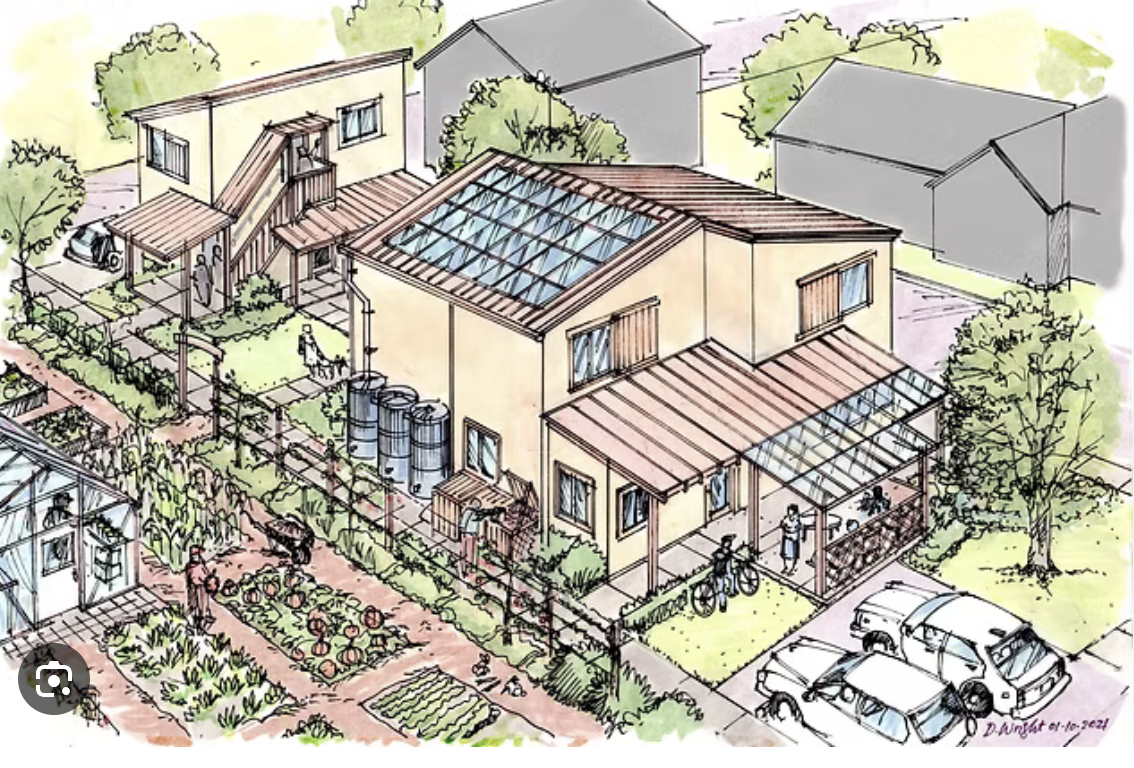
What This Makes Possible
When we look at co-operative housing through a wider lens, its potential becomes even clearer.
It offers a path toward more sustainable cities by supporting medium-density living and shared resources. It provides housing stability without isolation. It creates built-in social support that can ease pressure on health care systems, reduce loneliness, and help people age in place with dignity.
For women, in particular, models like WHIM show what becomes possible when housing is designed with mutual support, meaning, and community at its core.
Co-ops are not a silver bullet. But they are a powerful, proven part of the solution — one that addresses multiple challenges at once, rather than forcing us to solve them separately.
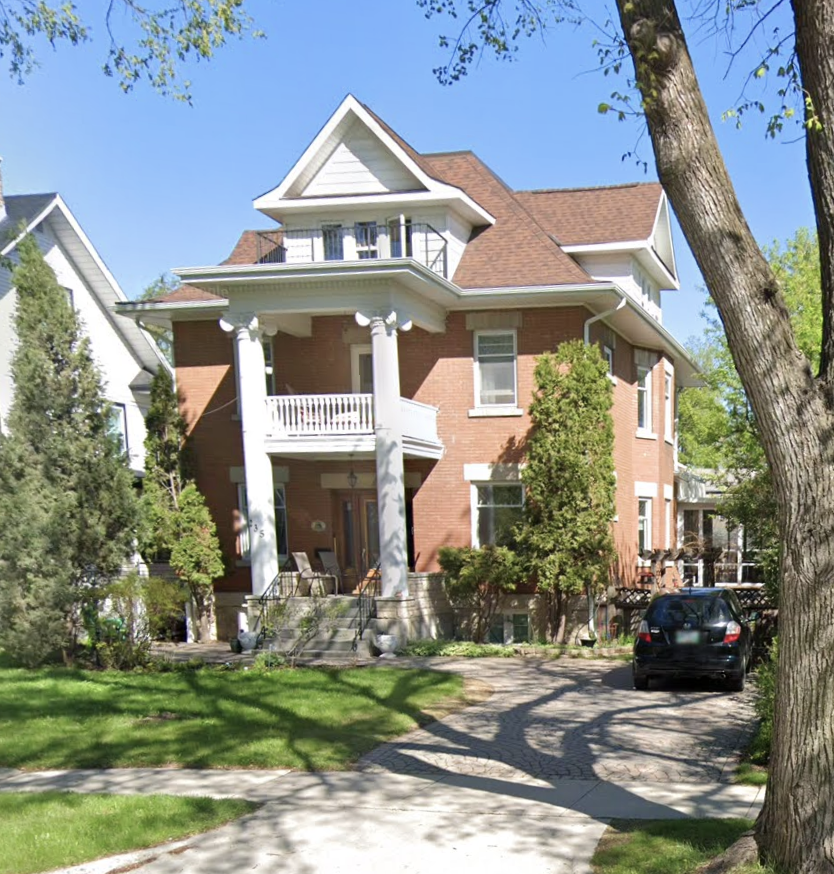
WHIM (Women's Housing Initiative Manitoba), Winnipeg, Canada
Back To Flourishing
Over time, I’ve come to understand what shared living can make possible — not perfectly, but meaningfully. Those experiences left me with a lasting sense of what home can be, and why models that centre connection give me real hope for the future.
And when I think about WHIM, I think about a house full of women celebrating an 80th birthday together — not as neighbours passing in the hallway, but as a community that shows up for one another in real, tangible ways.
When we design housing for connection, we don’t just meet basic needs.
We create the conditions for people to flourish.
And in a time when so many of us are craving belonging, that might be one of the most important things we can build.
Resources I think you might like:
Foundation for Intentional Community
Cooperative Housing Development e-book
A Guide to Starting Co-operative Housing in Manitoba
And check out this post I did on the Co-op Business Model.
Stay connected with news and updates!
Join my mailing list to receive the latest news and updates. Your information will not be shared.
